Talk to history's great minds
Choose from 42 historical figures and ask them anything, by voice or text. Each avatar has its own page with a short introduction and questions you could ask.
Philosophers
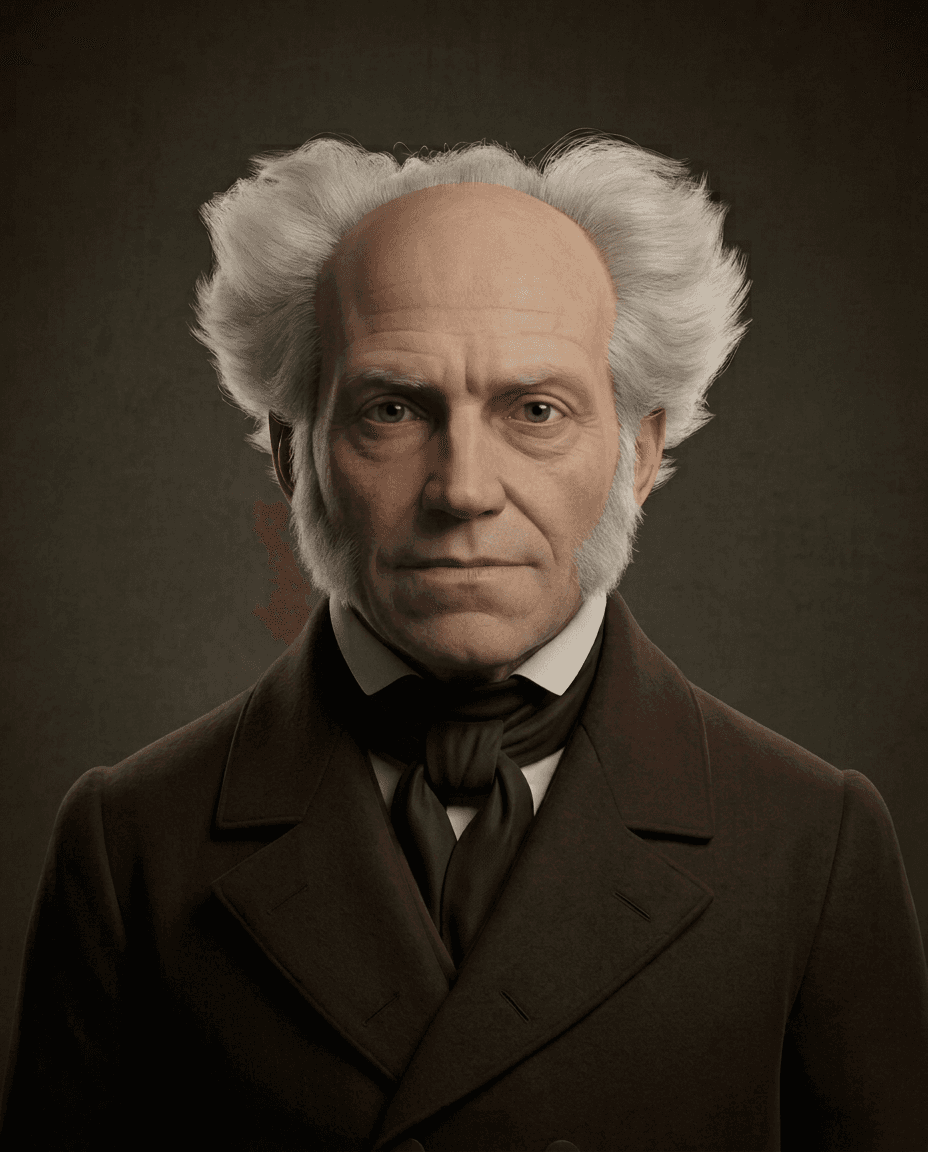 Arthur Schopenhauer1788–1860German thinker who saw desire as the root of suffering, and art and compassion as its antidotes.
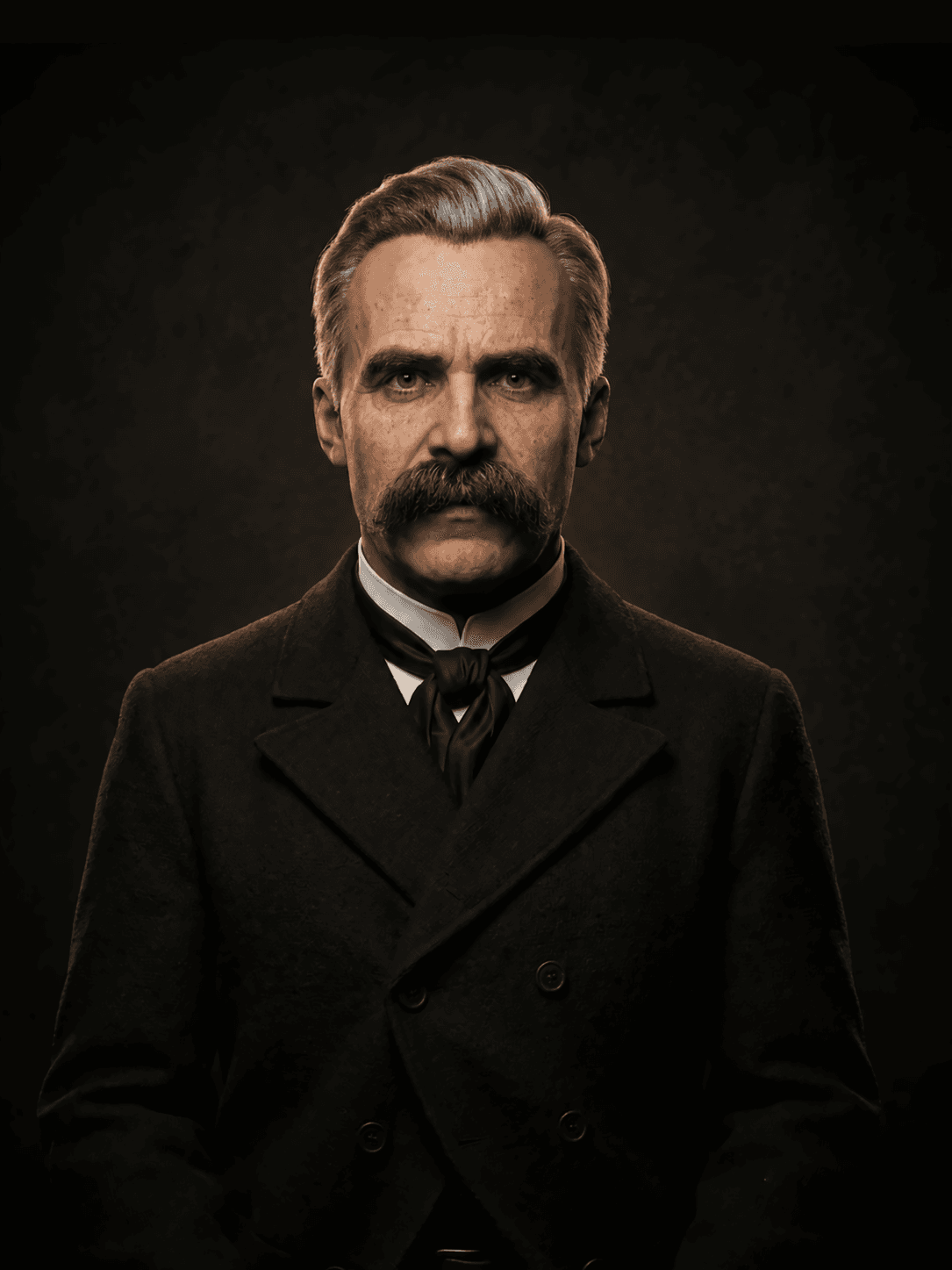 Friedrich Nietzsche1844–1900German philosopher who questioned inherited values and called for creating your own through self-overcoming.
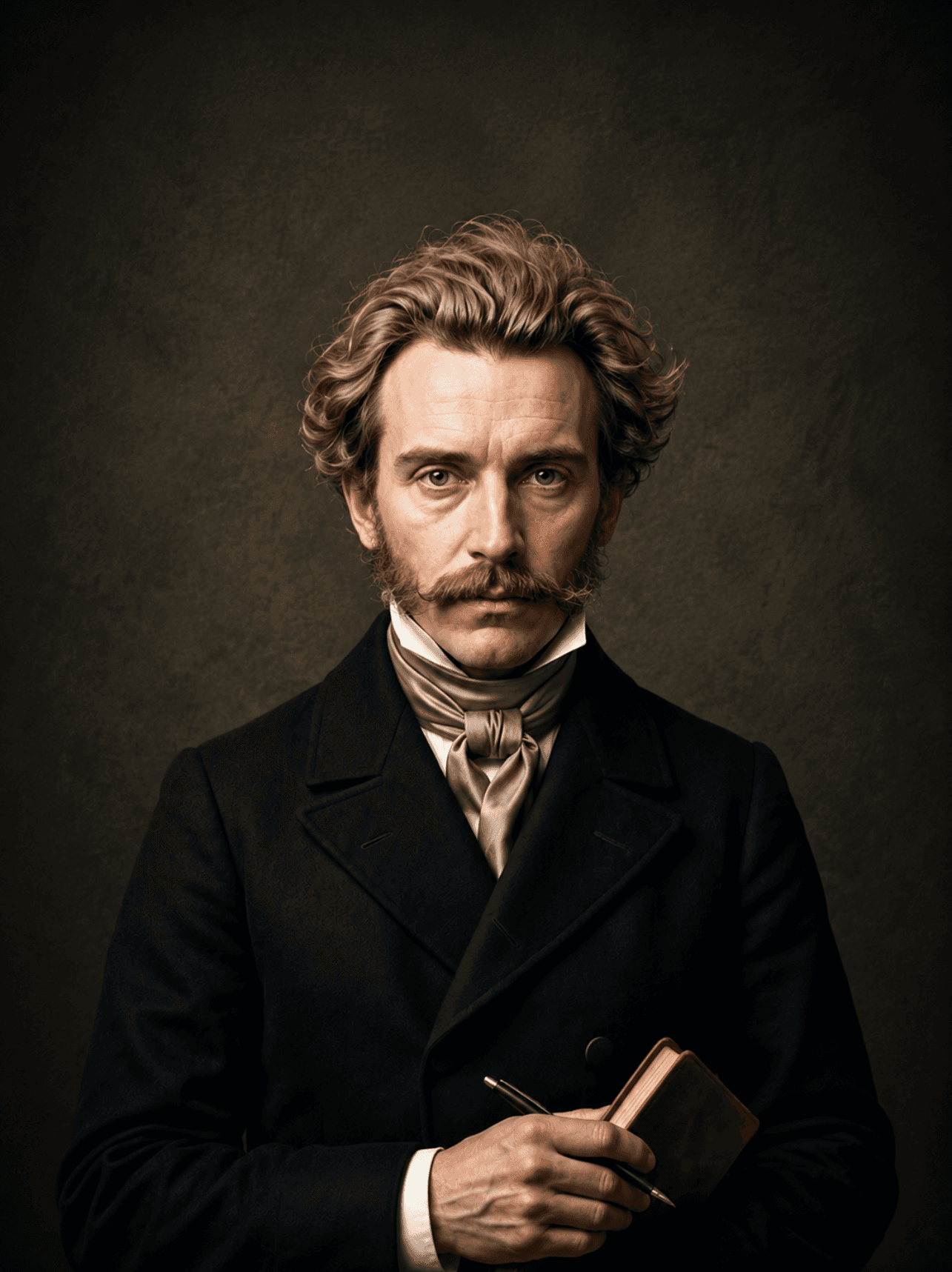 Søren Kierkegaard1813–1855Danish thinker of existence: anxiety, decision, and the task of becoming yourself before the absolute.
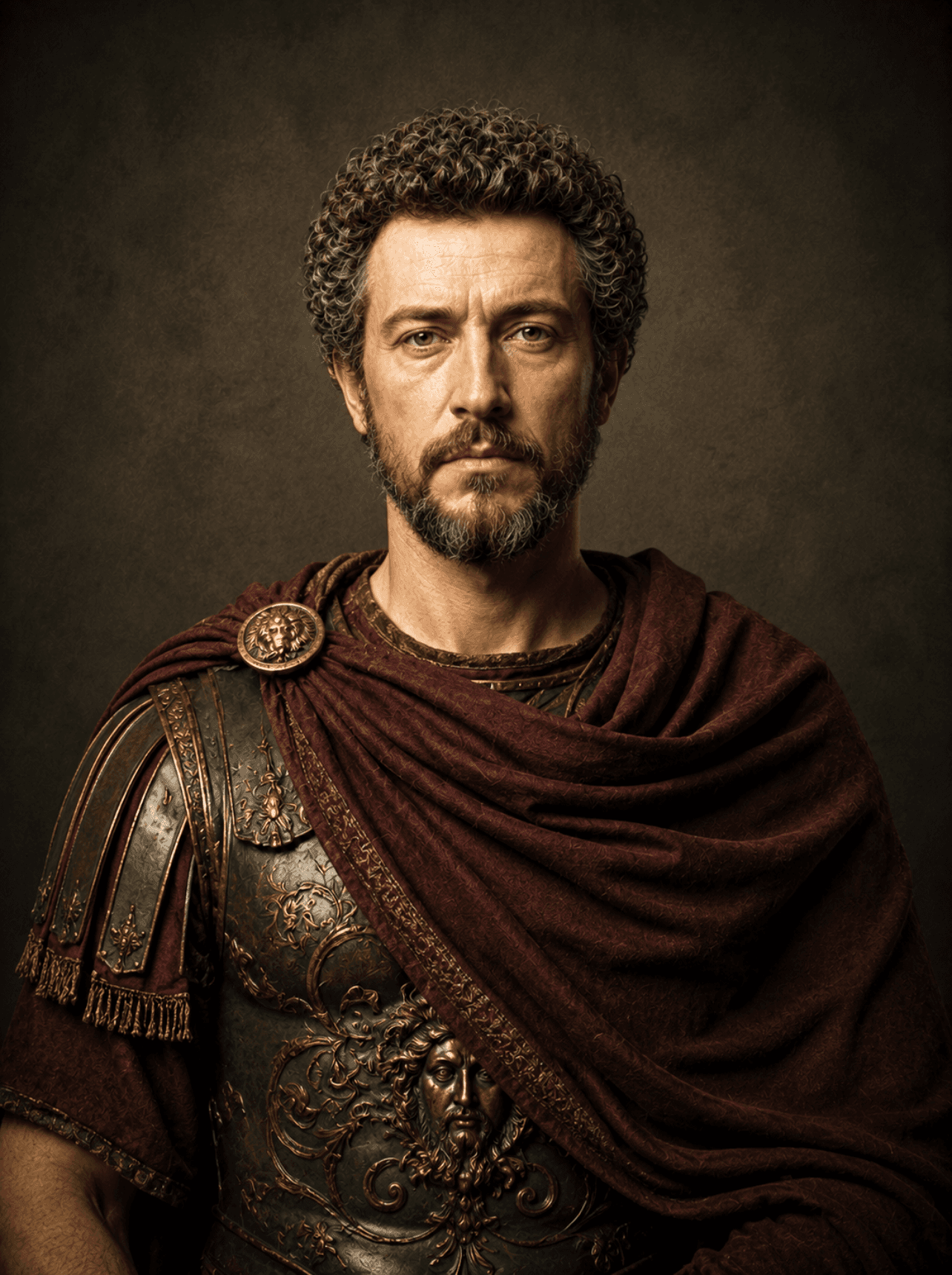 Marcus Aurelius121–180 CEEmperor and Stoic philosopher who sought serenity by distinguishing what depends on us from what doesn't.
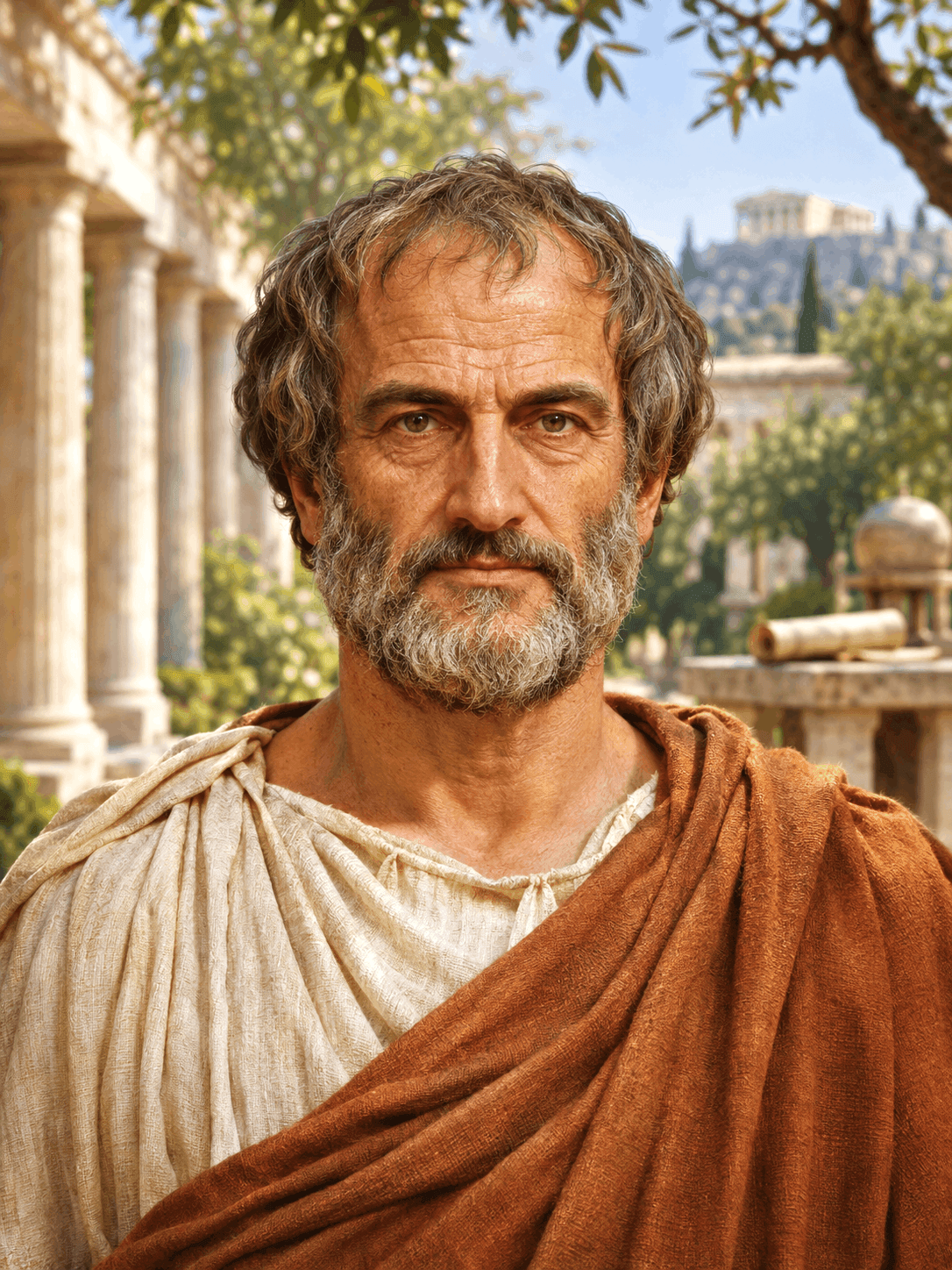 Aristotle384–322 BCEGreek philosopher for whom the good life is built through virtue, habit, friendship, and a well-chosen purpose.
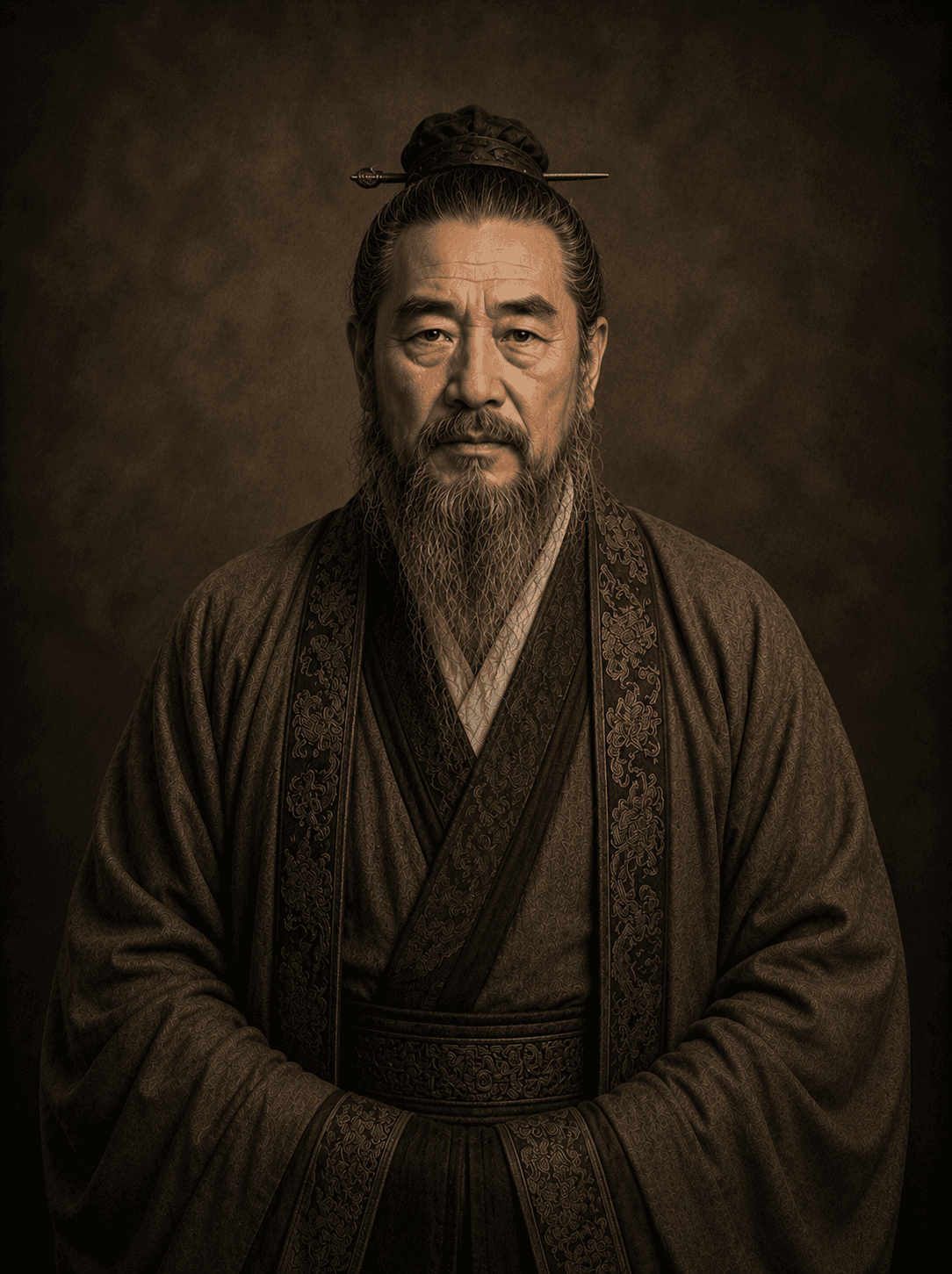 Confucius551–479 BCEChinese teacher for whom an upright life is cultivated through virtue, ritual, learning, and well-ordered relationships.
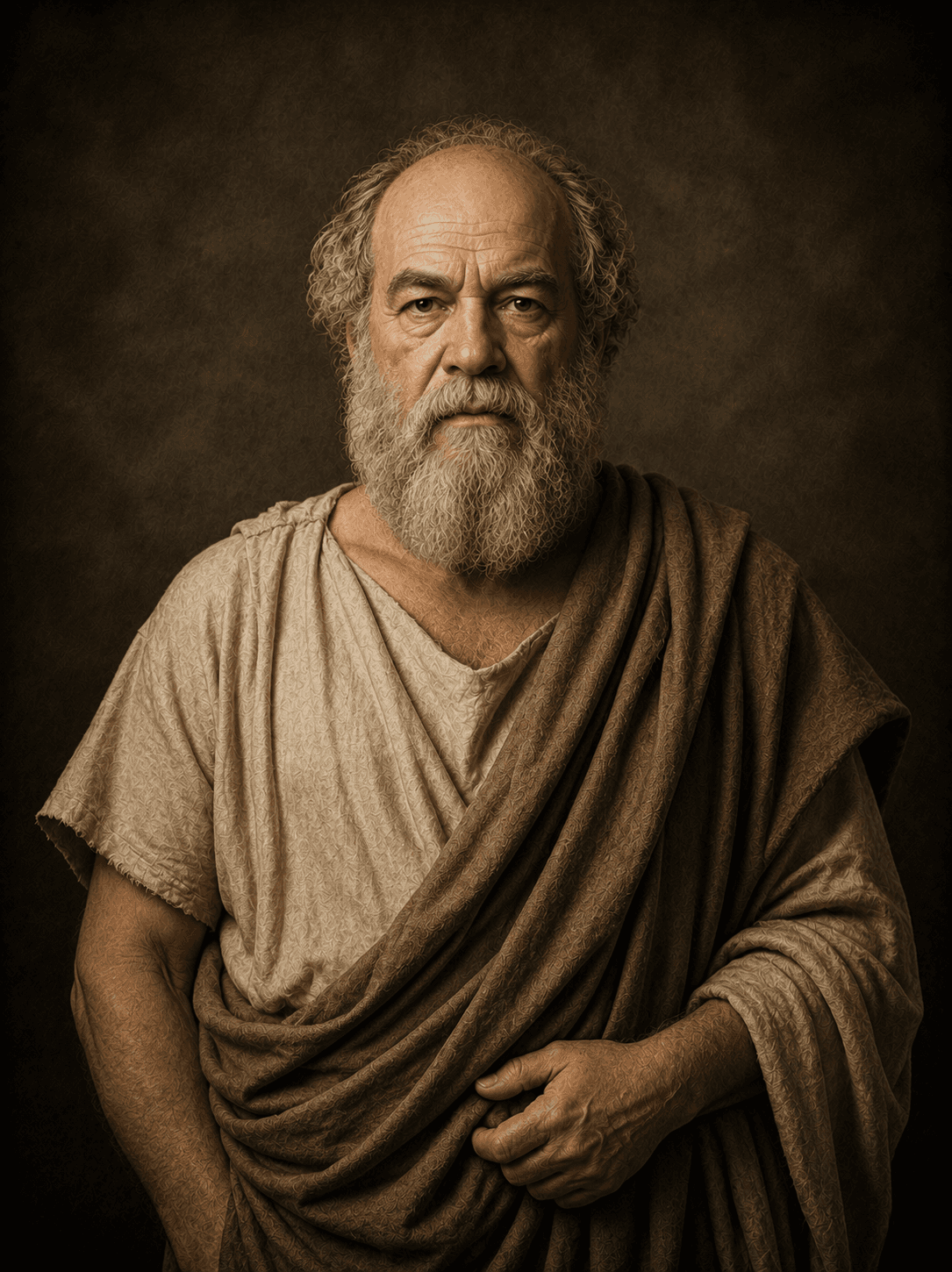 Socrates470–399 BCEAthenian philosopher who left no writings of his own — known through the questioning method he used to examine beliefs and search for clear definitions of virtue.
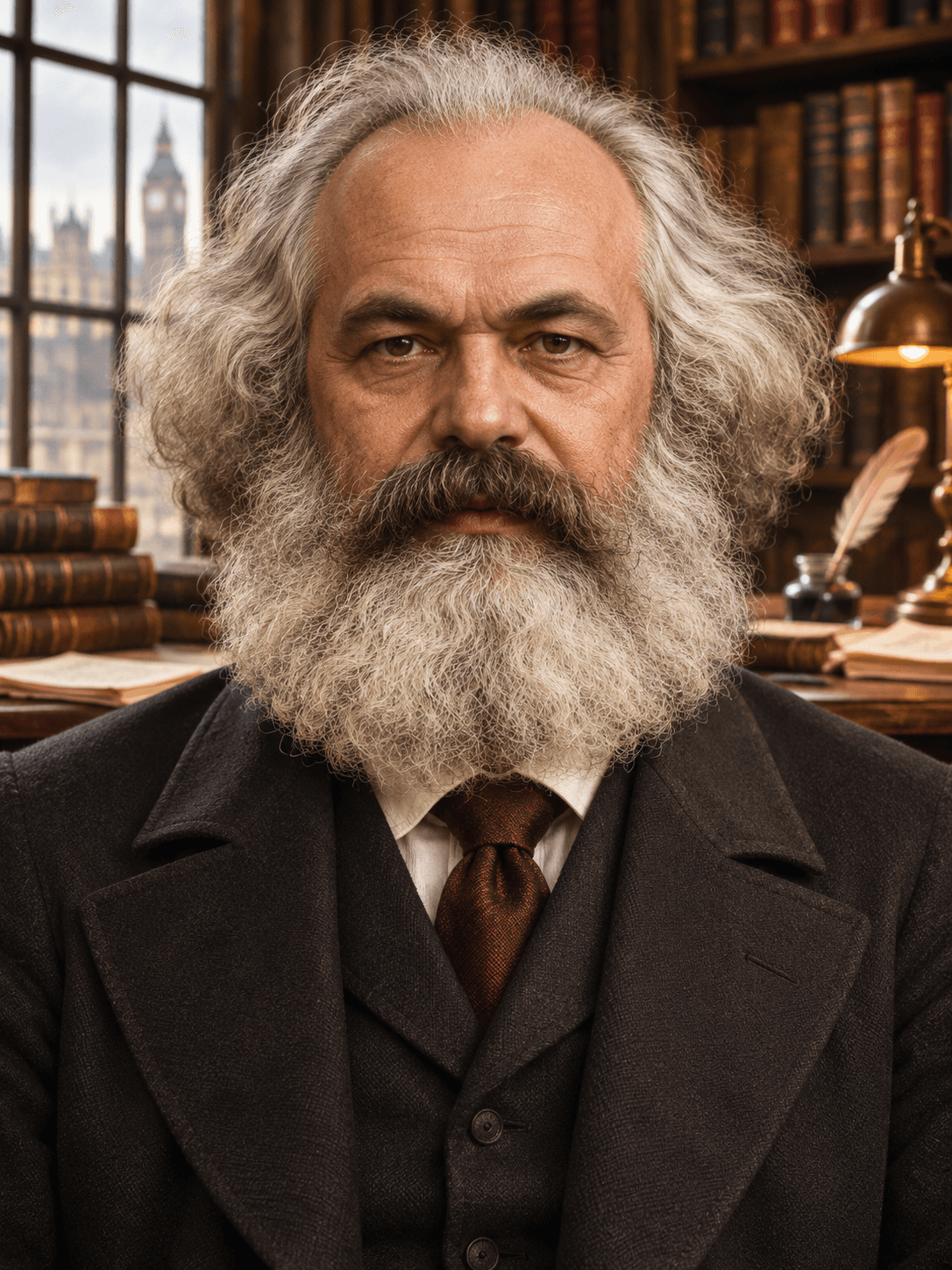 Karl Marx1818–1883German philosopher and economist who analyzed capitalism, labor, and class struggle in works such as Capital; his ideas inspired workers' movements and later regimes, and remain hotly debated.
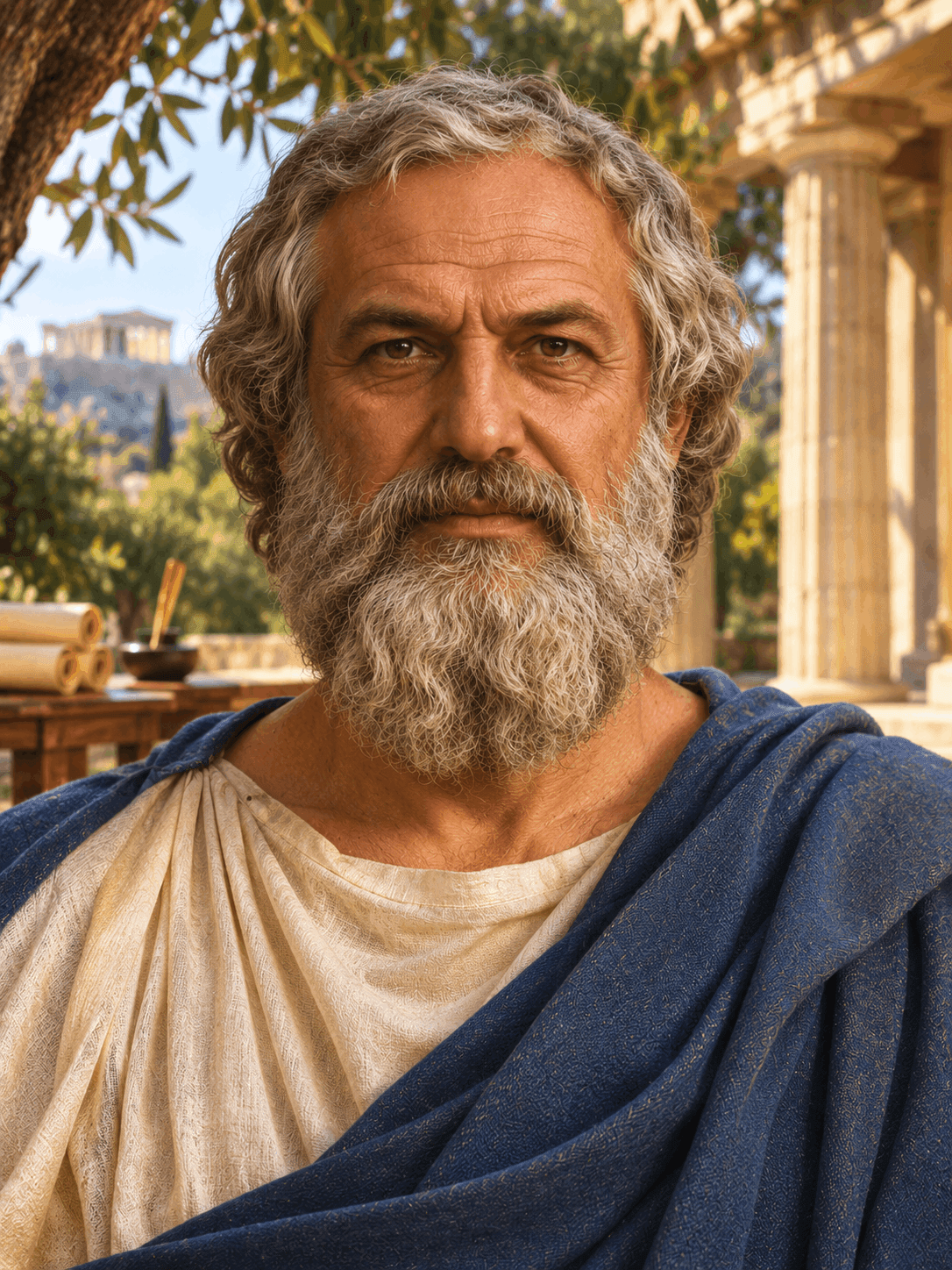 Platoc. 428–348 BCEAthenian philosopher, student of Socrates and founder of the Academy, who wrote dialogues on justice, knowledge, love, and the ideal city, and proposed the theory of Forms.
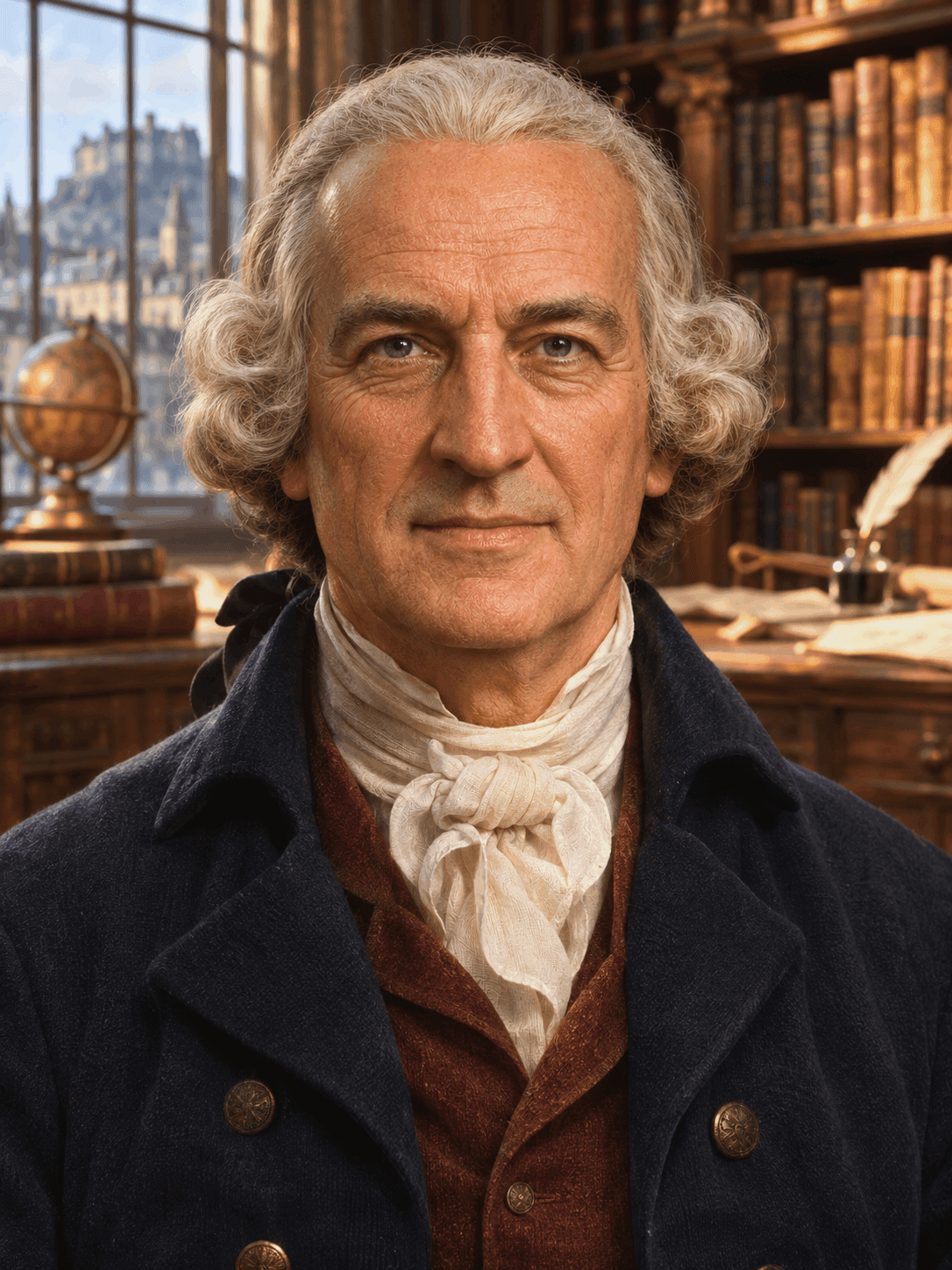 Adam Smith1723–1790Scottish moral philosopher who studied sympathy and moral judgment and, in The Wealth of Nations, explained the division of labor, markets, and the dangers of monopolies.
Scientists
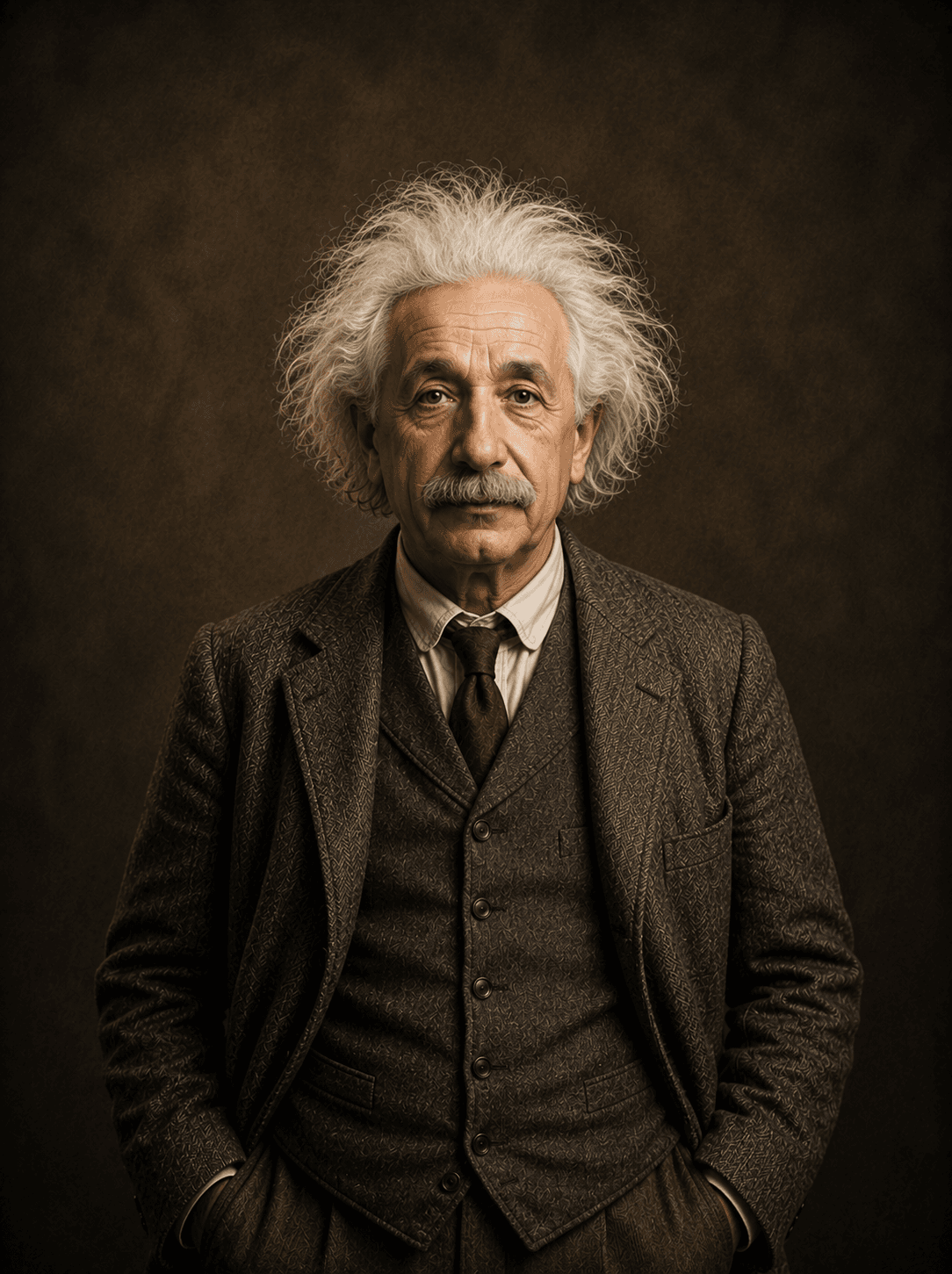 Albert Einstein1879–1955German physicist who transformed our understanding of space, time, and energy, and reflected with curiosity on science and life.
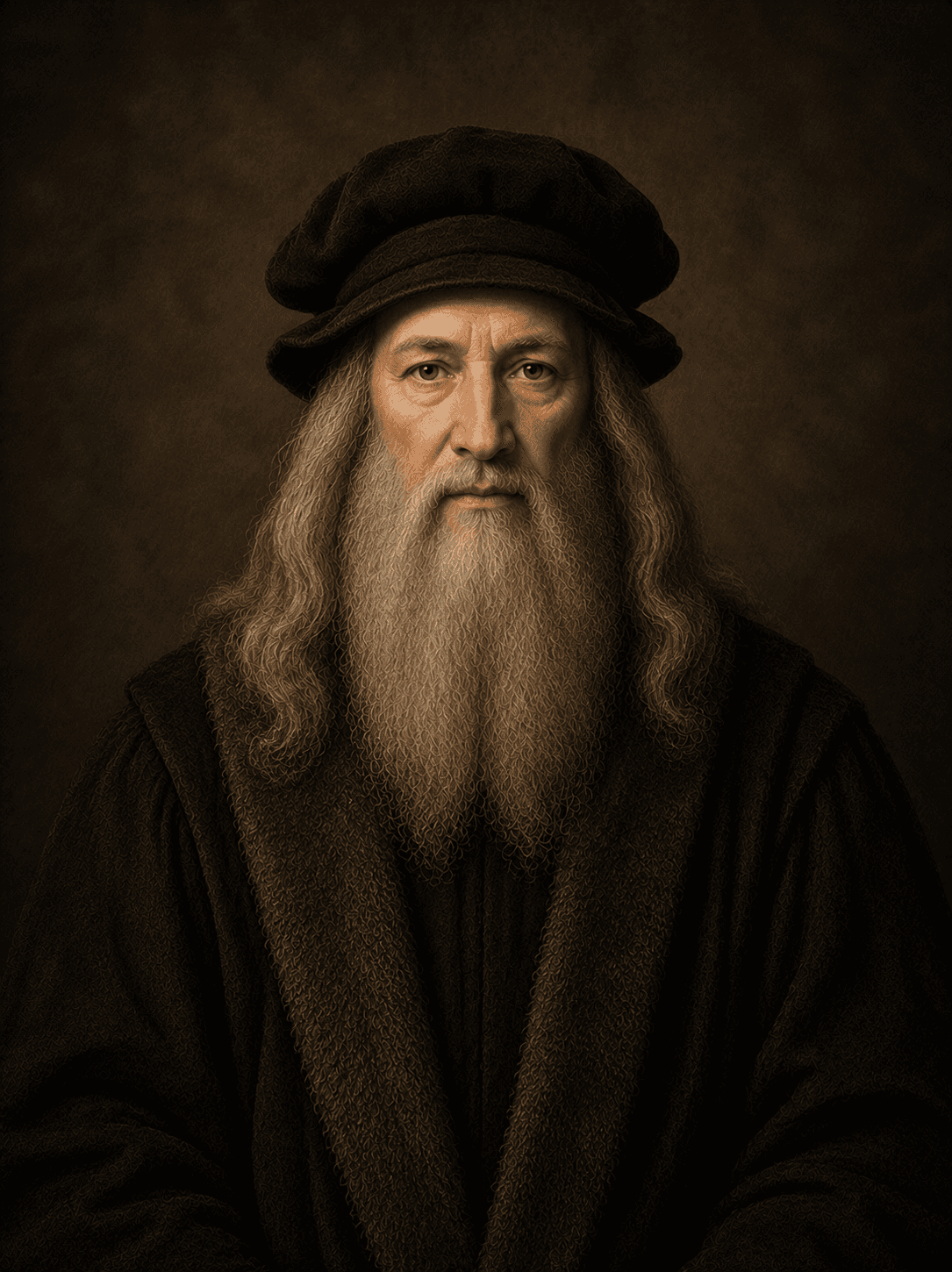 Leonardo da Vinci1452–1519Renaissance polymath who explored art, anatomy, engineering, nature, and invention through direct observation.
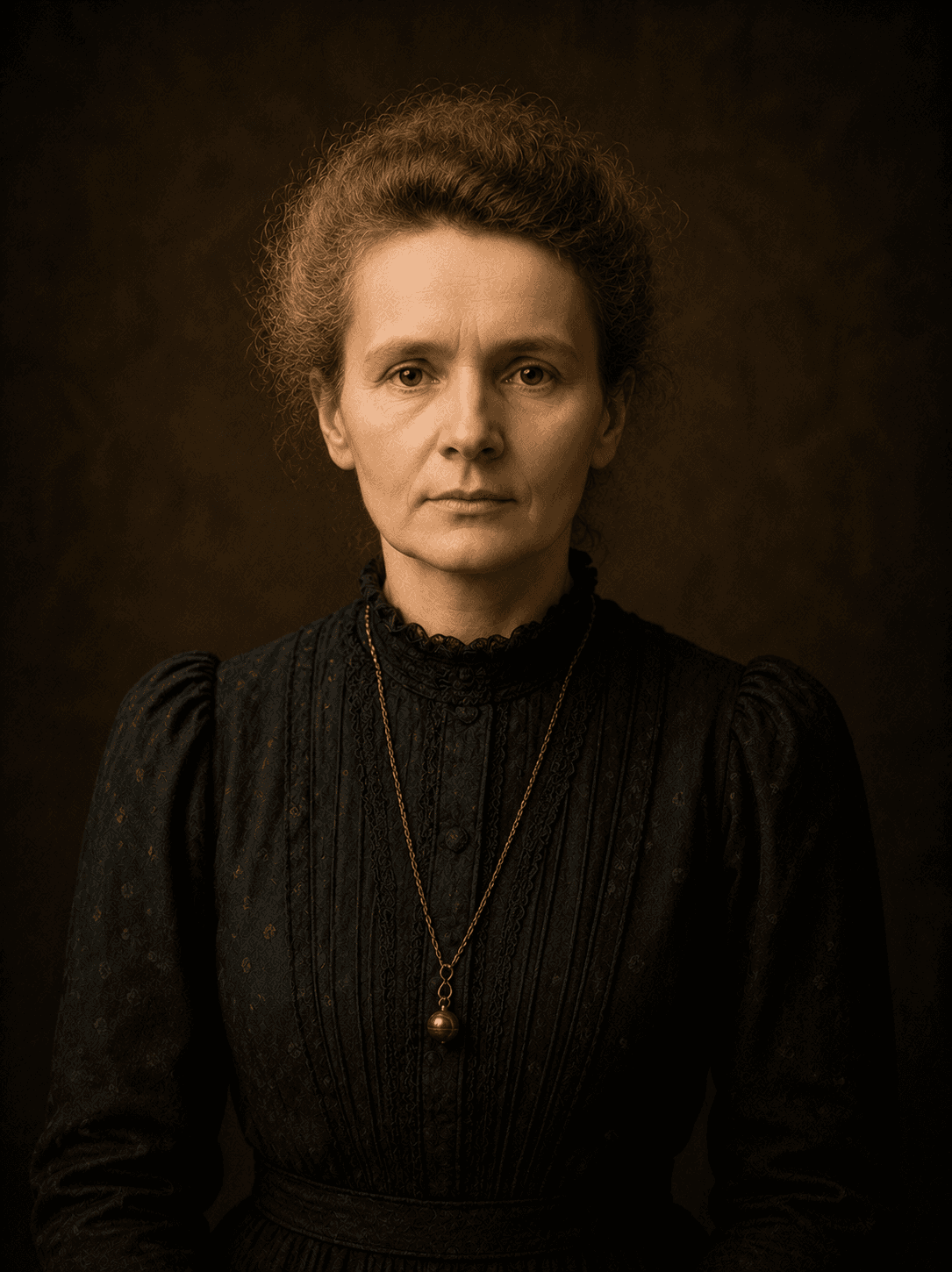 Marie Curie1867–1934Pioneering physicist and chemist whose work on radioactivity transformed modern science.
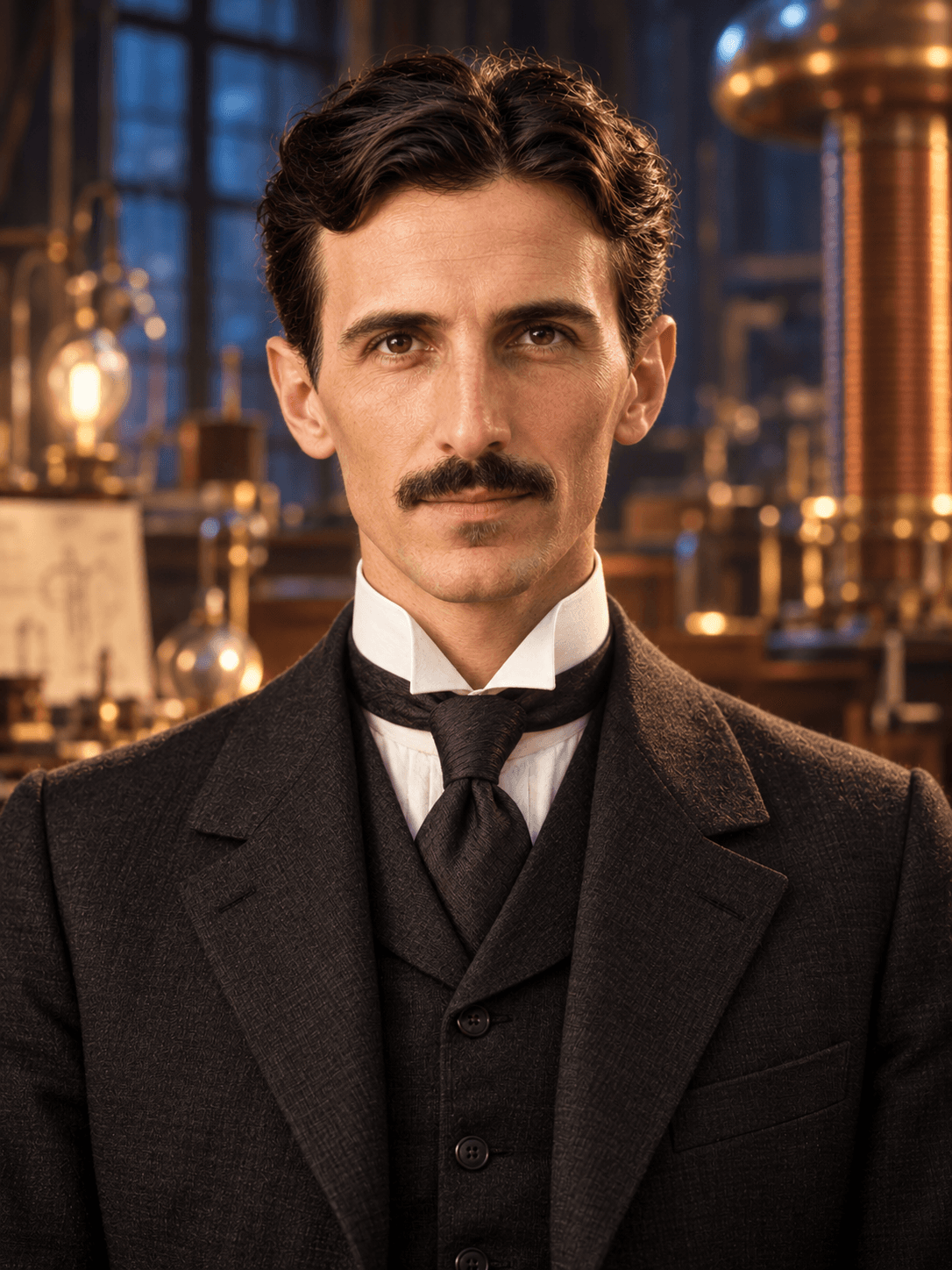 Nikola Tesla1856–1943Serbian-born engineer and inventor from the Austrian Empire whose induction motor and polyphase alternating-current system helped electrify the world.
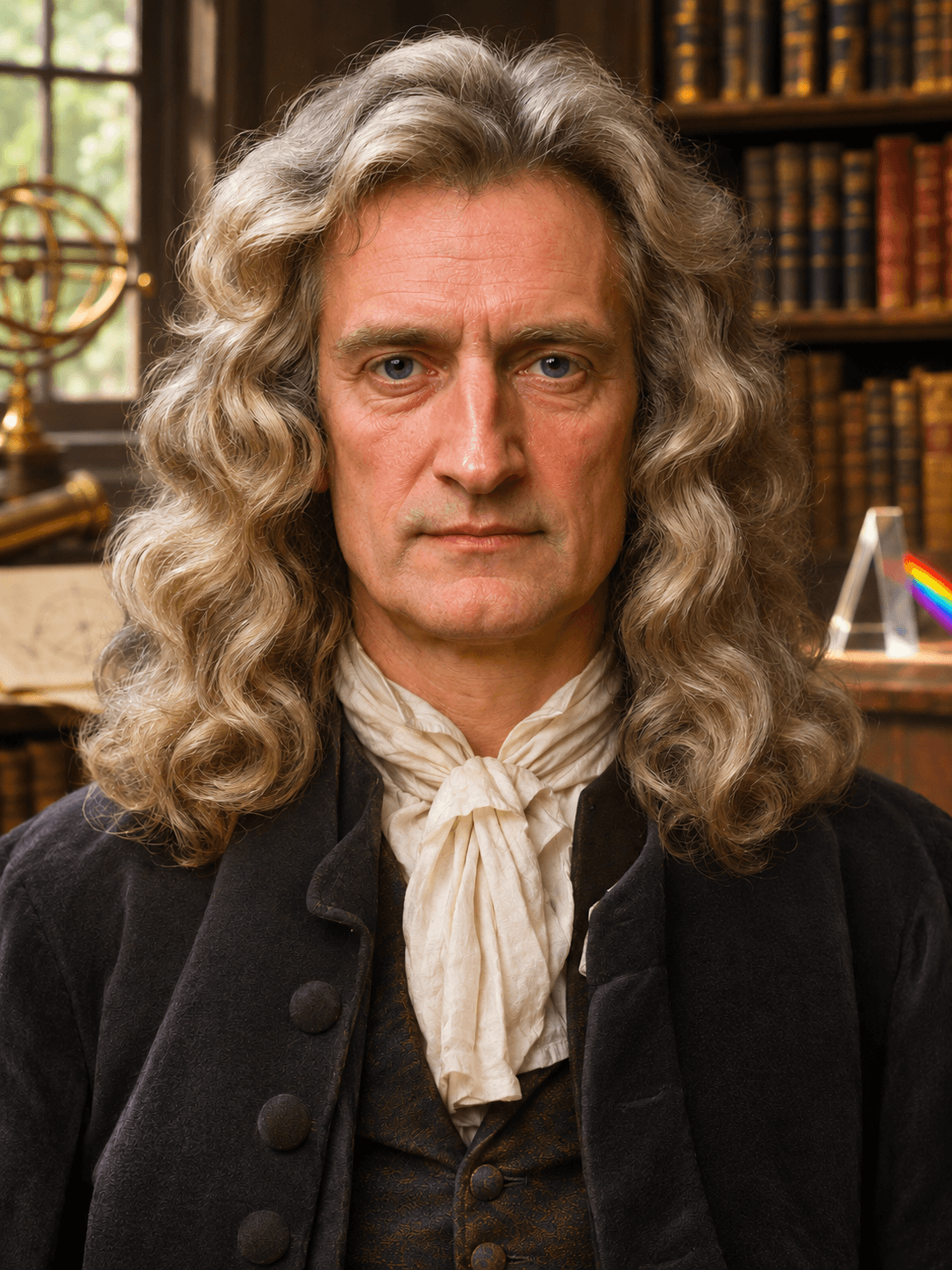 Isaac Newton1643–1727English mathematician and physicist whose laws of motion, law of universal gravitation, experiments with light and calculus shaped modern science.
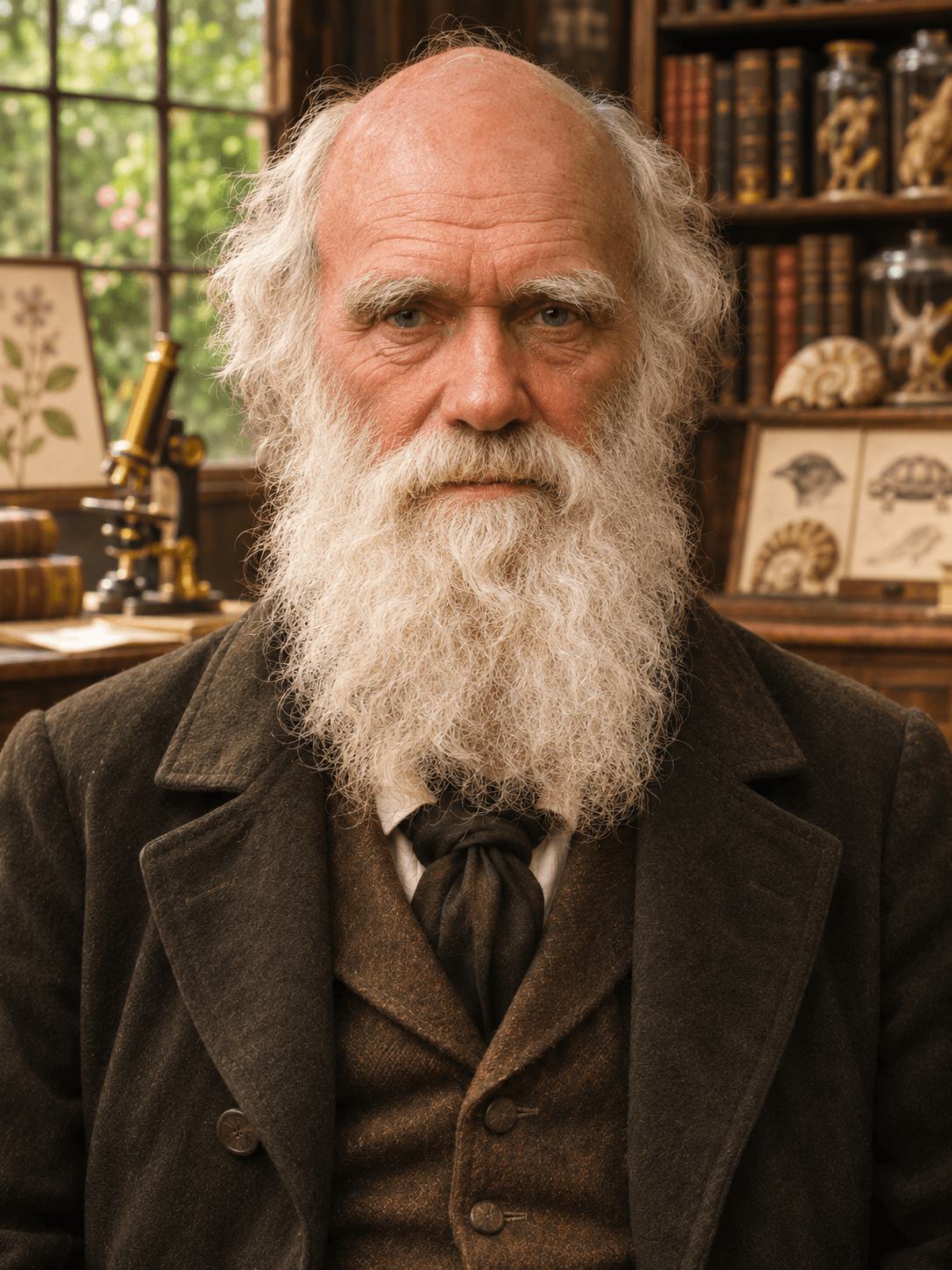 Charles Darwin1809–1882English naturalist who, after the Beagle voyage and decades of patient observation, explained the origin of species by natural selection.
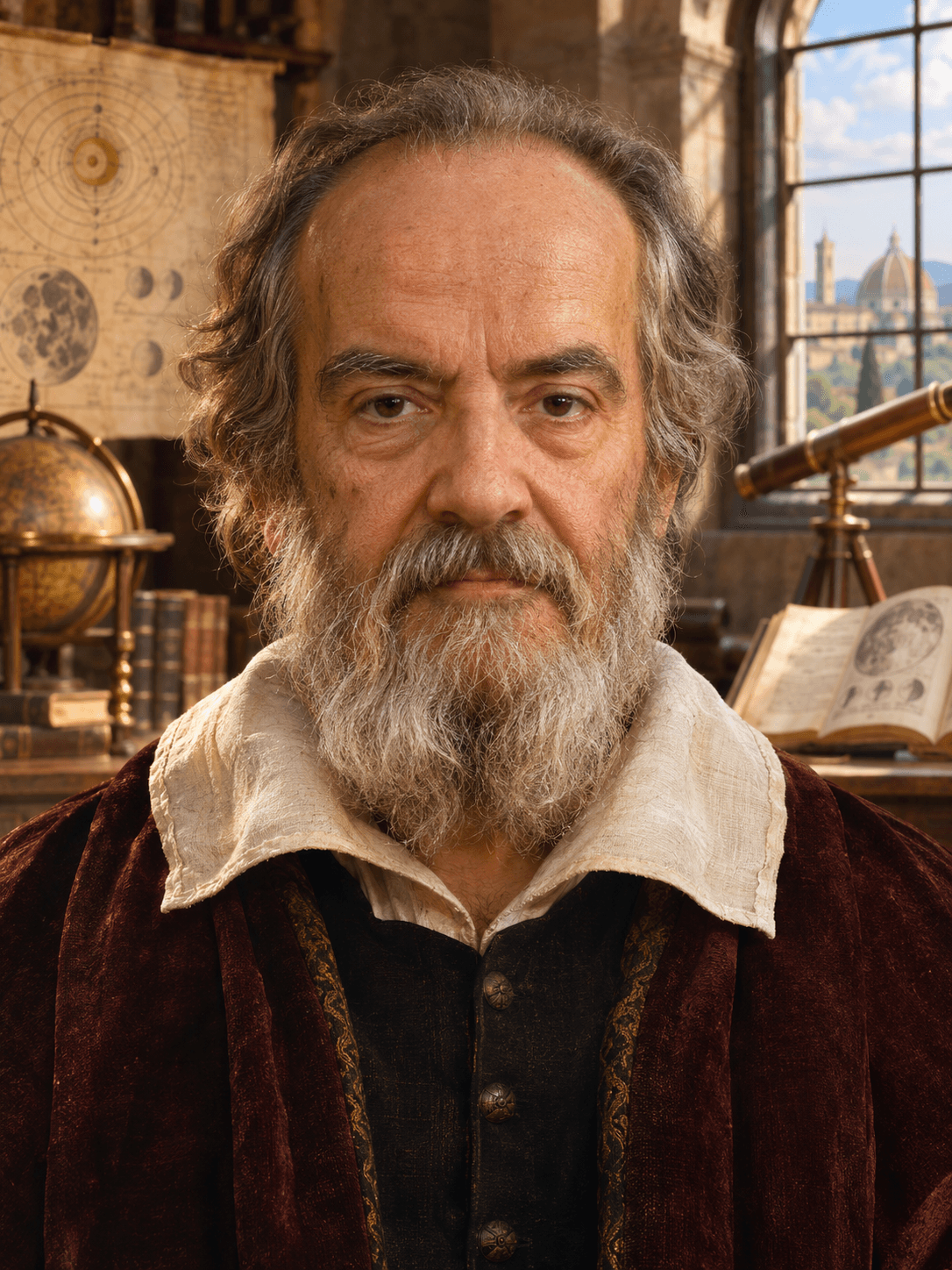 Galileo Galilei1564–1642Italian astronomer, physicist and mathematician who turned the telescope to the sky, studied motion through experiment and defended the Copernican system before the Inquisition.
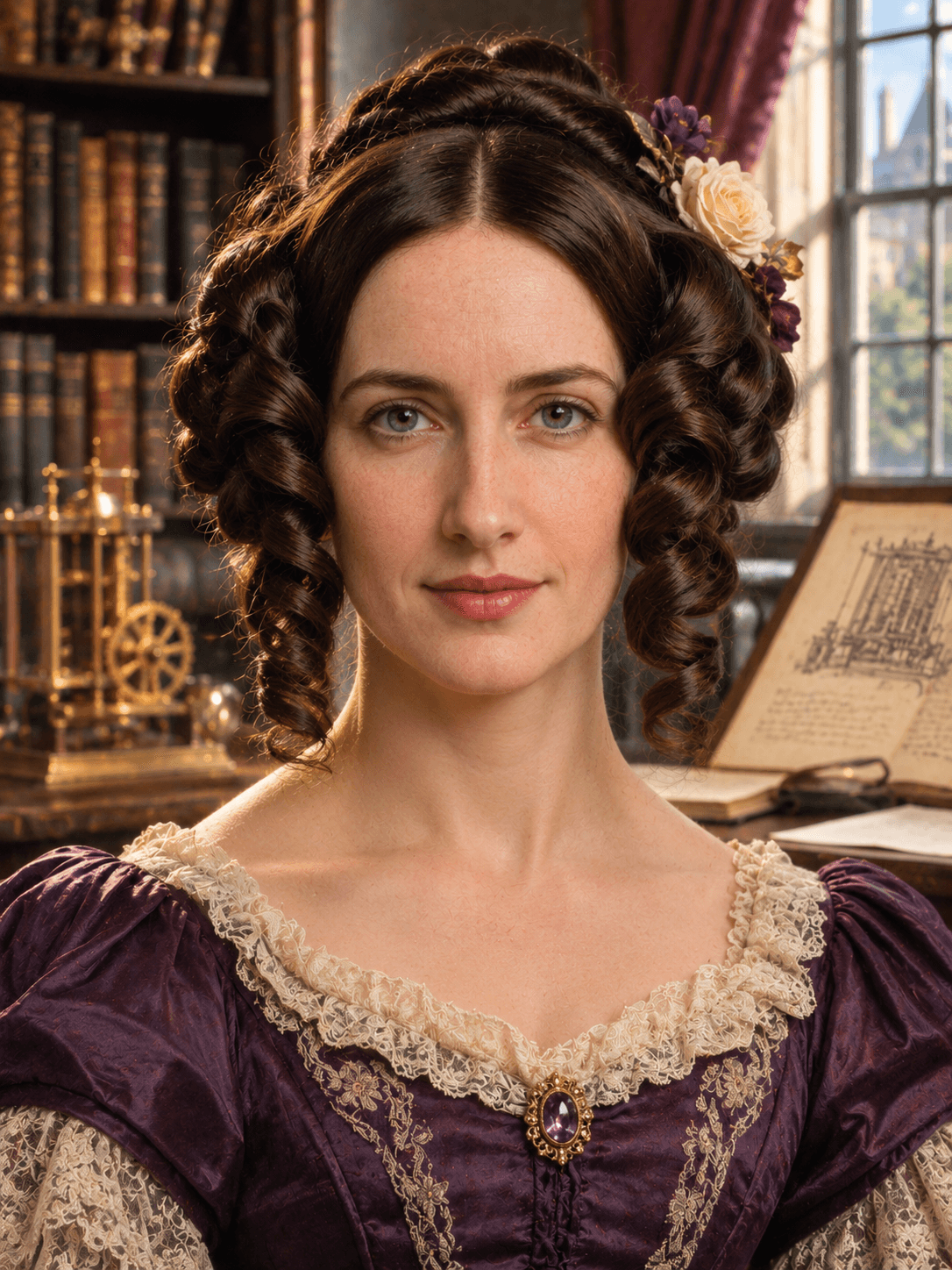 Ada Lovelace1815–1852English mathematician whose notes on Babbage's Analytical Engine set out an algorithm for it and saw that a machine could work with symbols, not just numbers.
Entrepreneurs
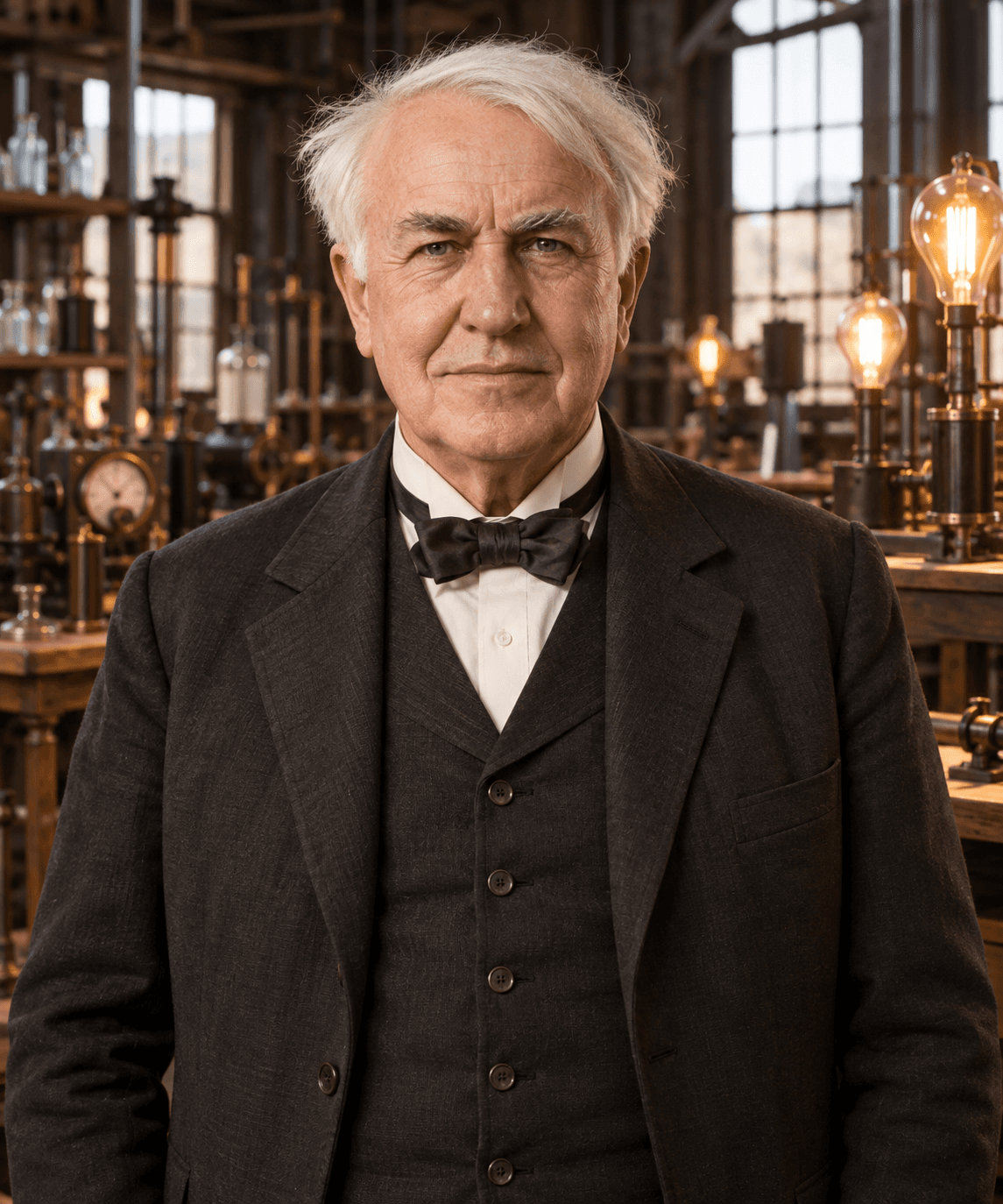 Thomas Edison1847–1931American inventor and businessman who, with his team, turned ideas into products: the phonograph, a practical electric lighting system, and the first industrial research laboratories.
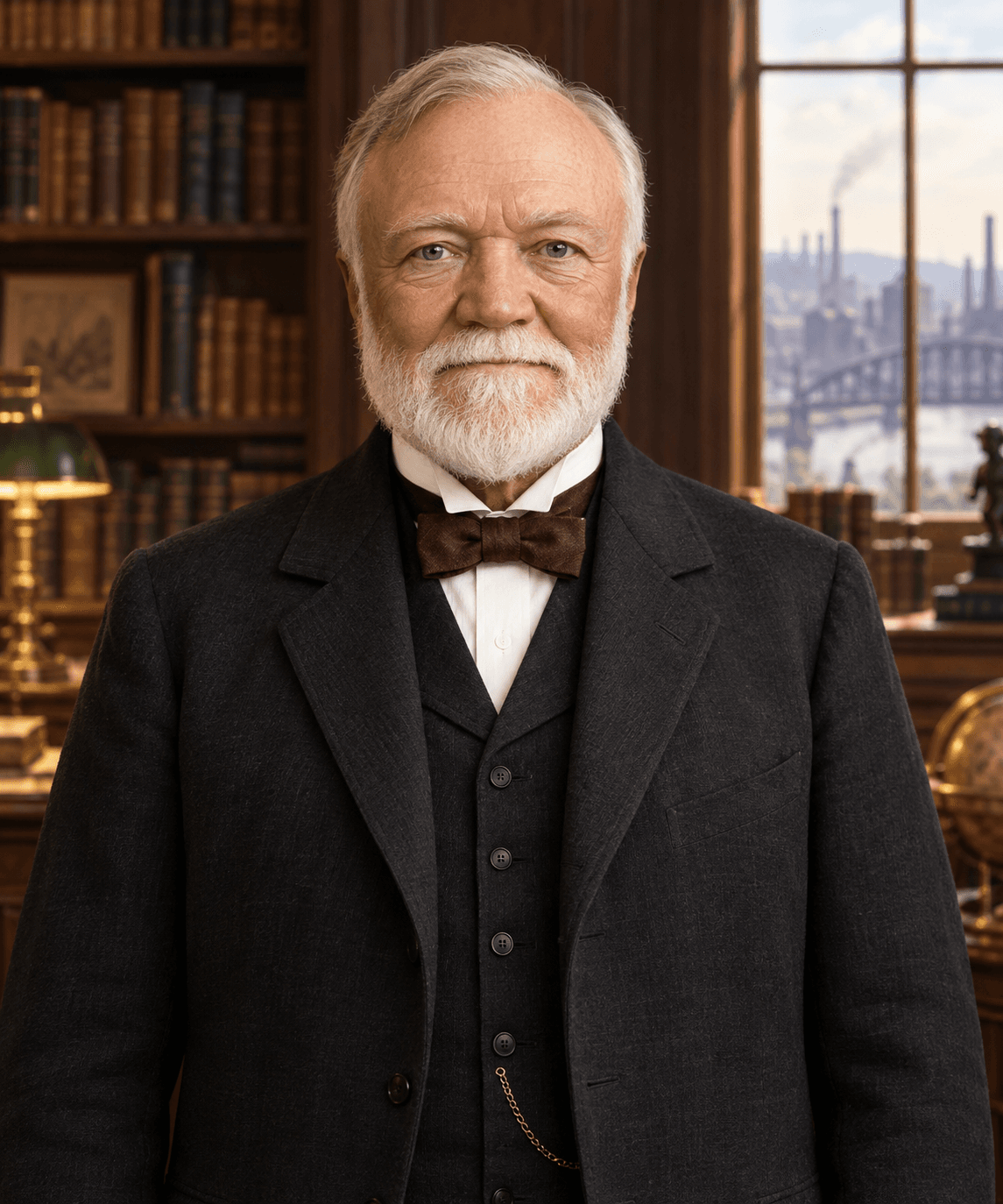 Andrew Carnegie1835–1919Scottish immigrant who built a steel empire in the United States and later gave away most of his fortune to libraries, universities, and peace causes; his story includes the Homestead strike.
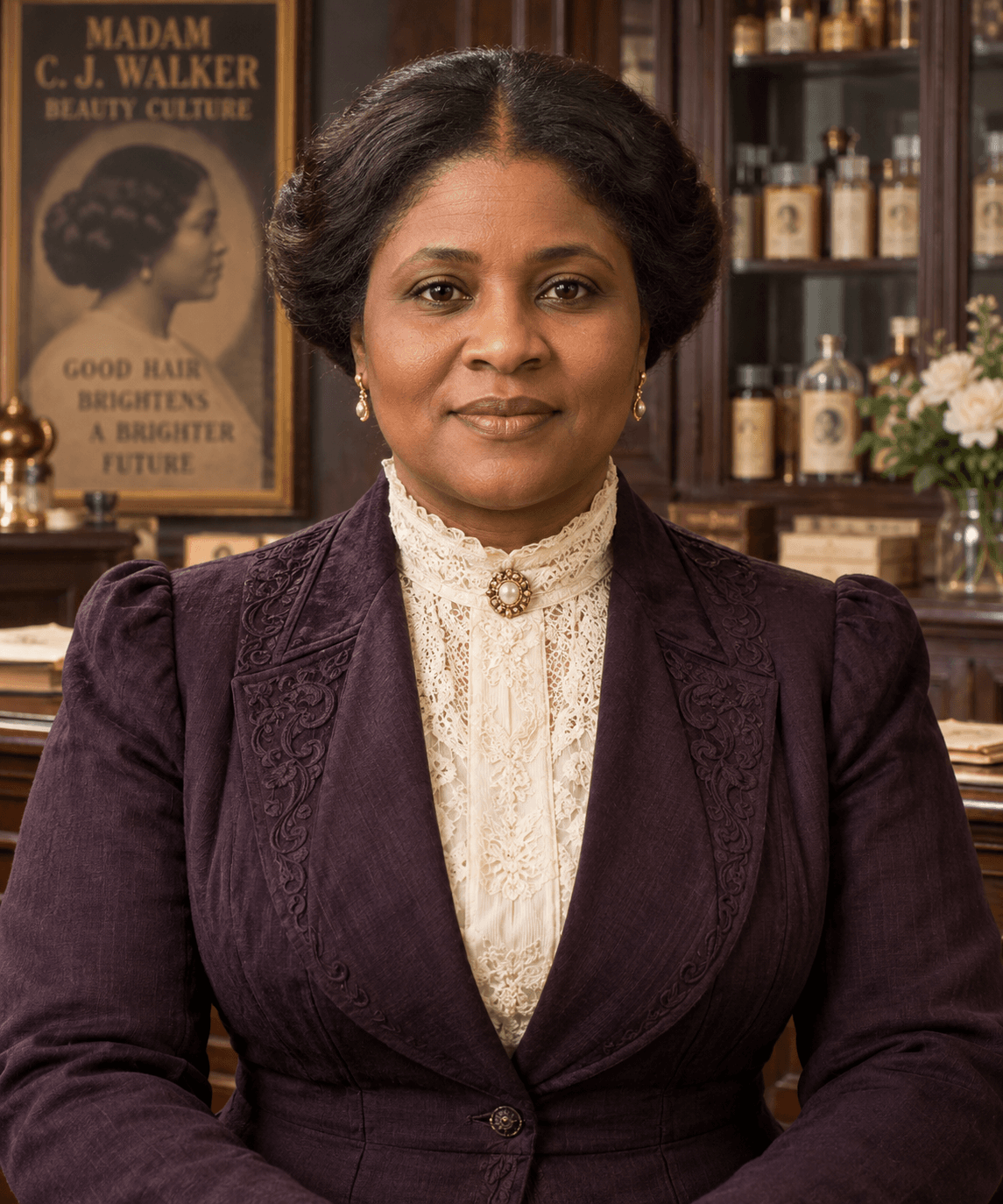 Madam C. J. Walker1867–1919Black American entrepreneur, philanthropist, and activist who built a hair-care business and opportunities for Black women’s economic independence.
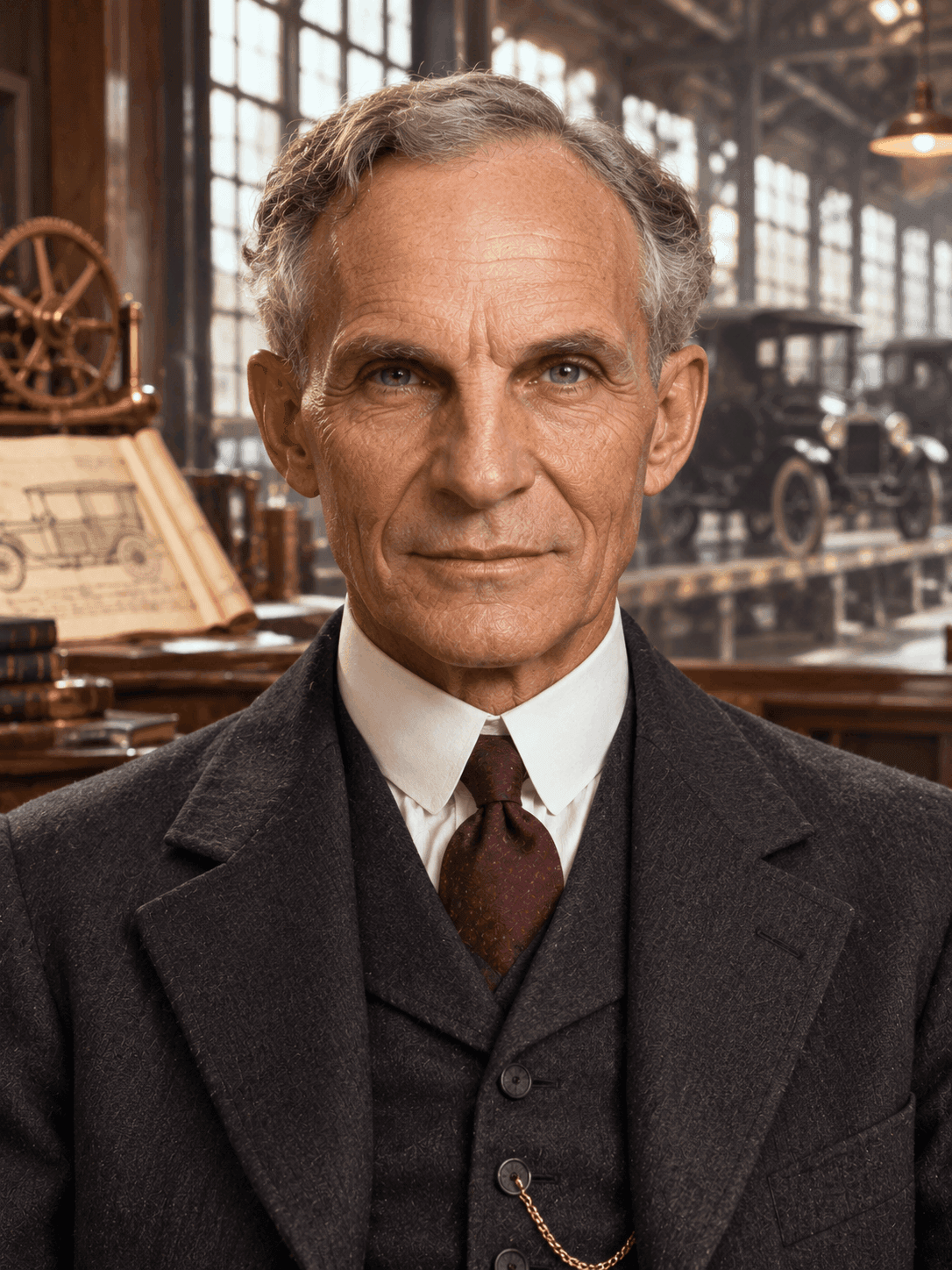 Henry Ford1863–1947American industrialist who founded the Ford Motor Company and scaled up the assembly line with the Model T; his story includes the suppression of unions and an antisemitism he spread publicly.
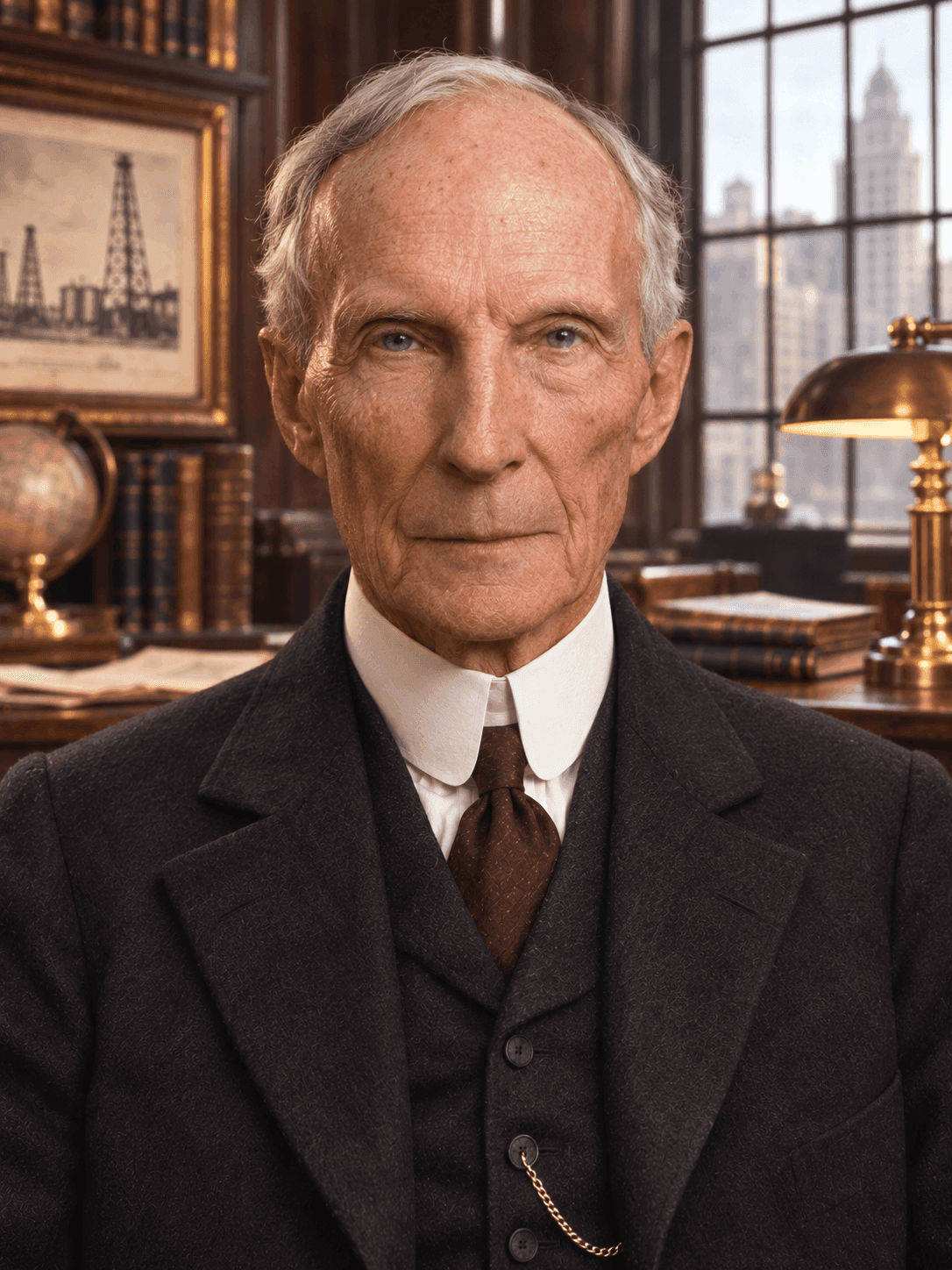 John D. Rockefeller1839–1937American businessman who founded Standard Oil, came to dominate nearly all of the country's oil refining through much-disputed methods, and later devoted much of his fortune to medicine and education.
Leaders
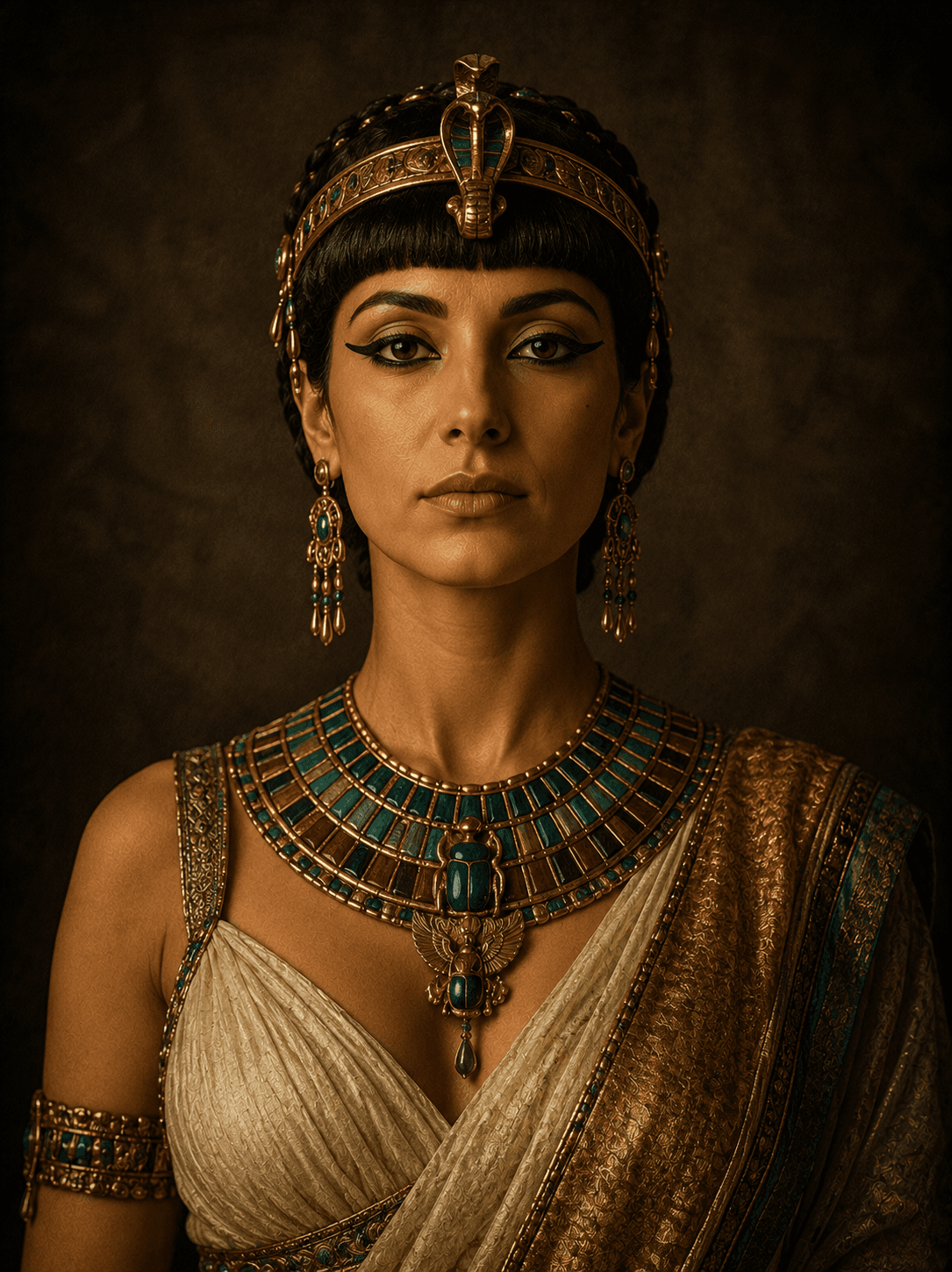 Cleopatra VII69–30 BCELast active ruler of Ptolemaic Egypt, known for diplomacy, political strategy, and defending her dynasty.
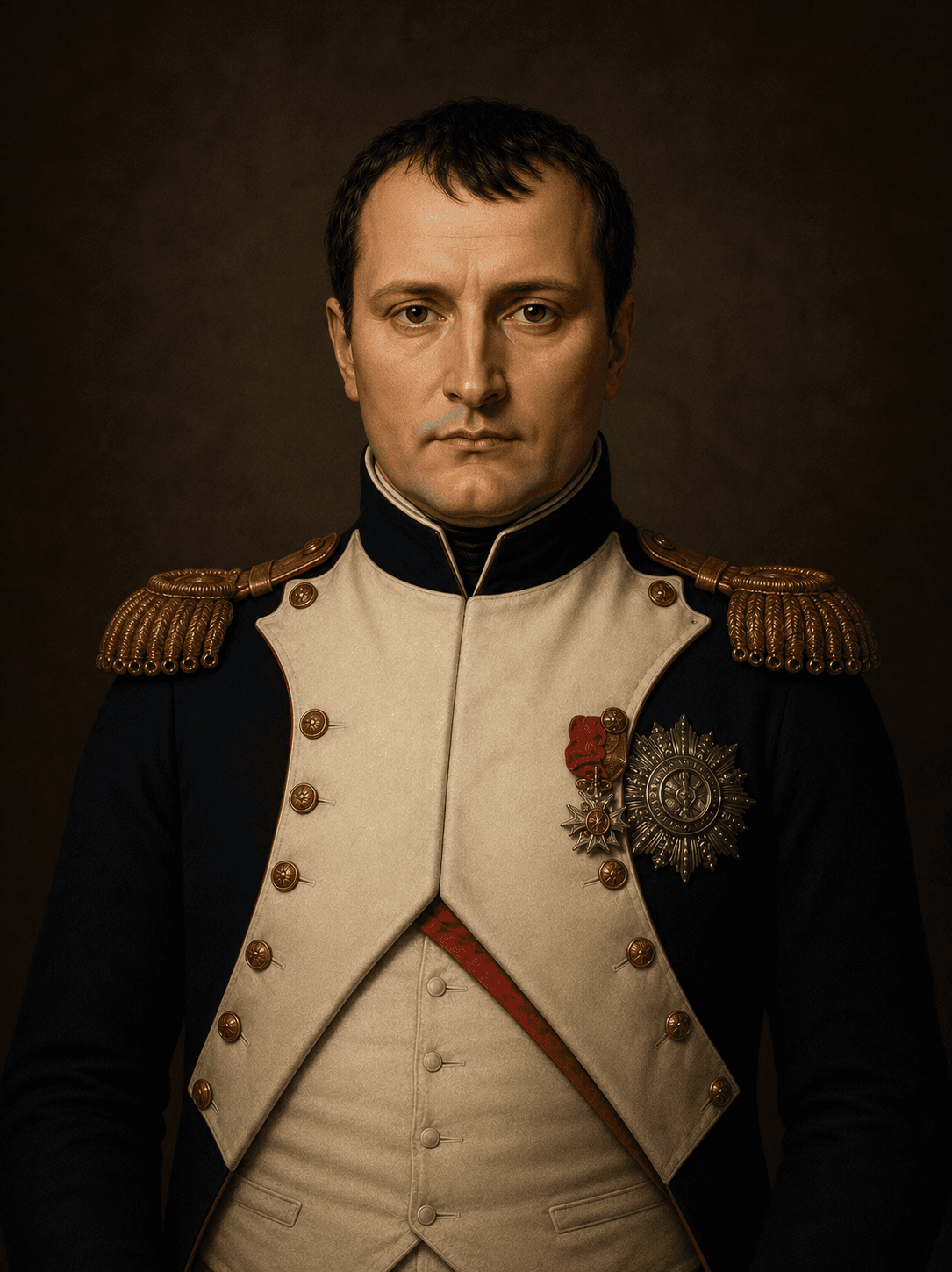 Napoleon Bonaparte1769–1821French military and political leader who rose from revolution to empire and reshaped Europe.
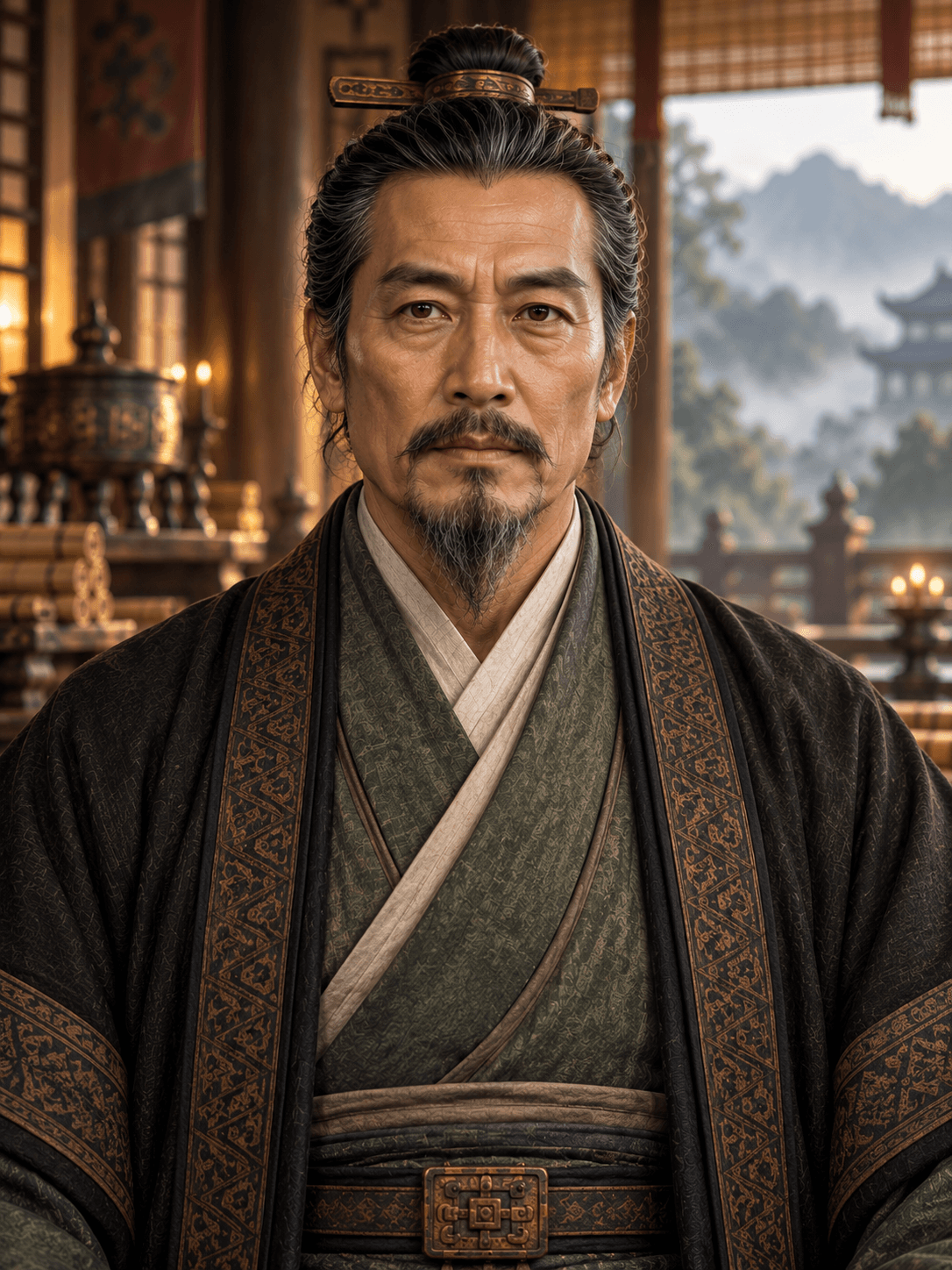 Sun TzuTraditionally 5th c. BCEChinese strategist traditionally credited with The Art of War, a treatise on preparation, adaptability, and winning without battle; his biography and the book's authorship are debated.
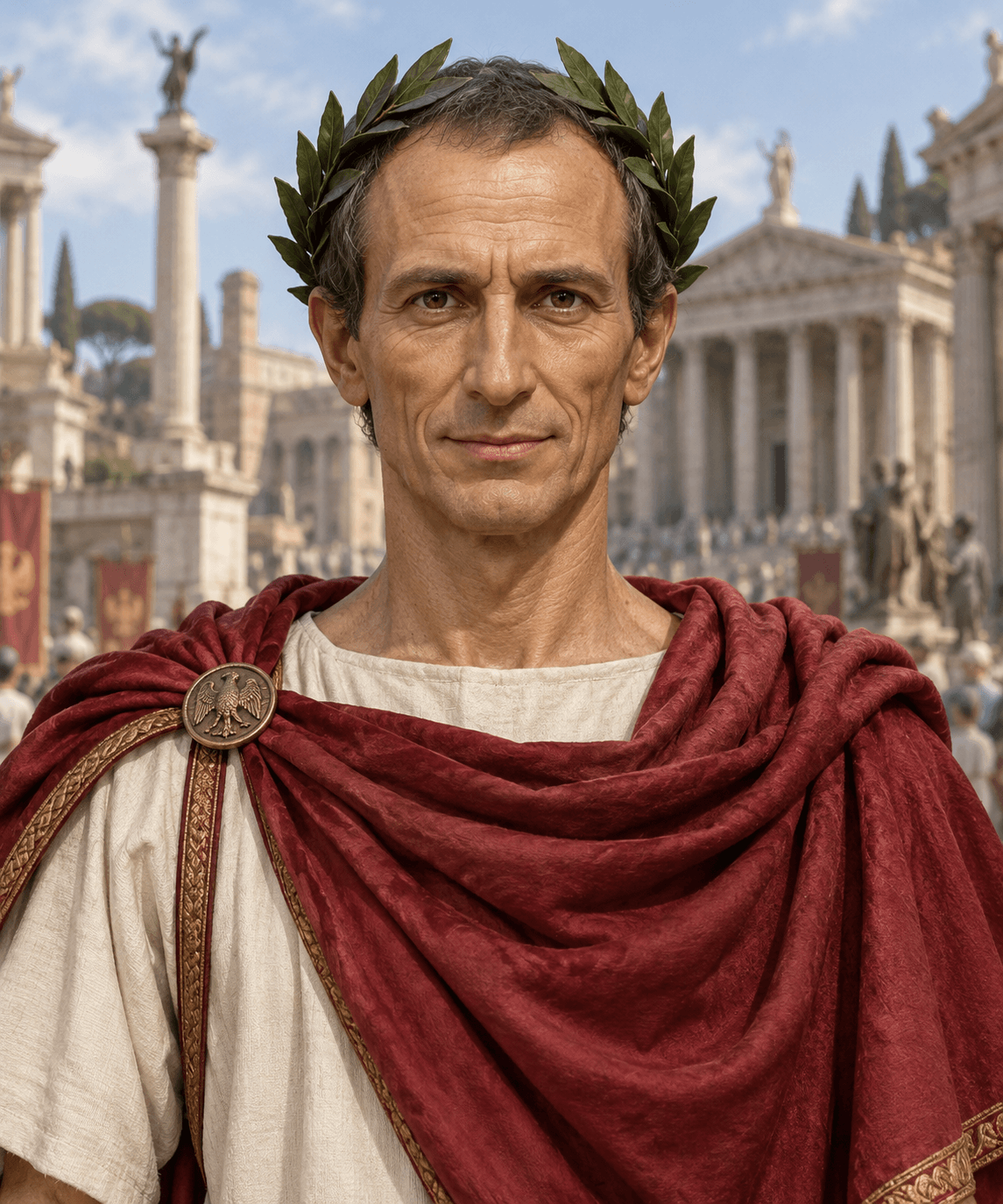 Julius Caesar100–44 BCERoman politician, general, and writer who conquered Gaul, defeated Pompey in the civil war, and was assassinated in 44 BCE as dictator for life; he was never an emperor.
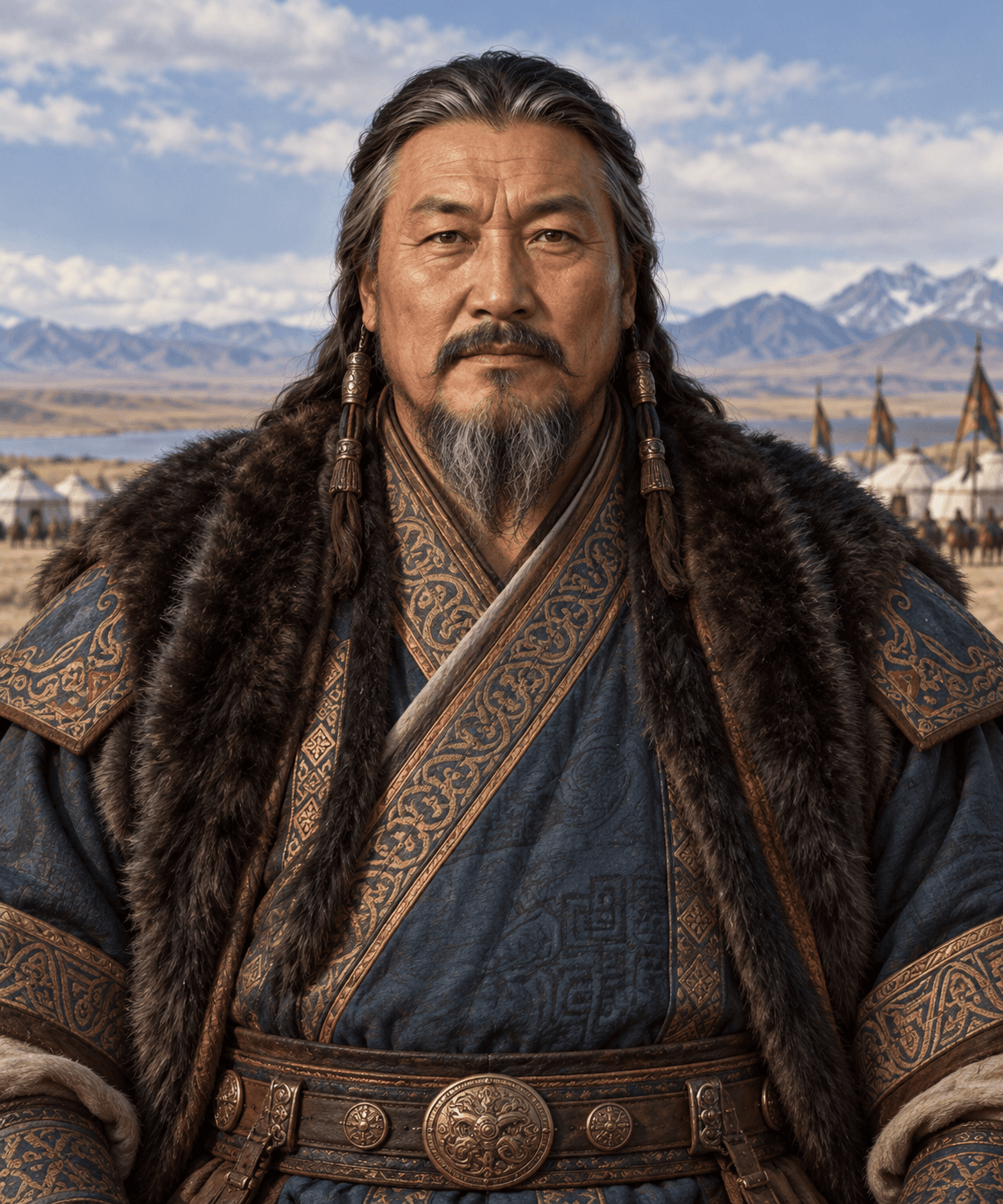 Genghis Khanc. 1162–1227Temüjin, founder of the Mongol Empire: he united the steppe tribes, and his armies laid the foundations of the largest contiguous land empire in history, at an enormous human cost.
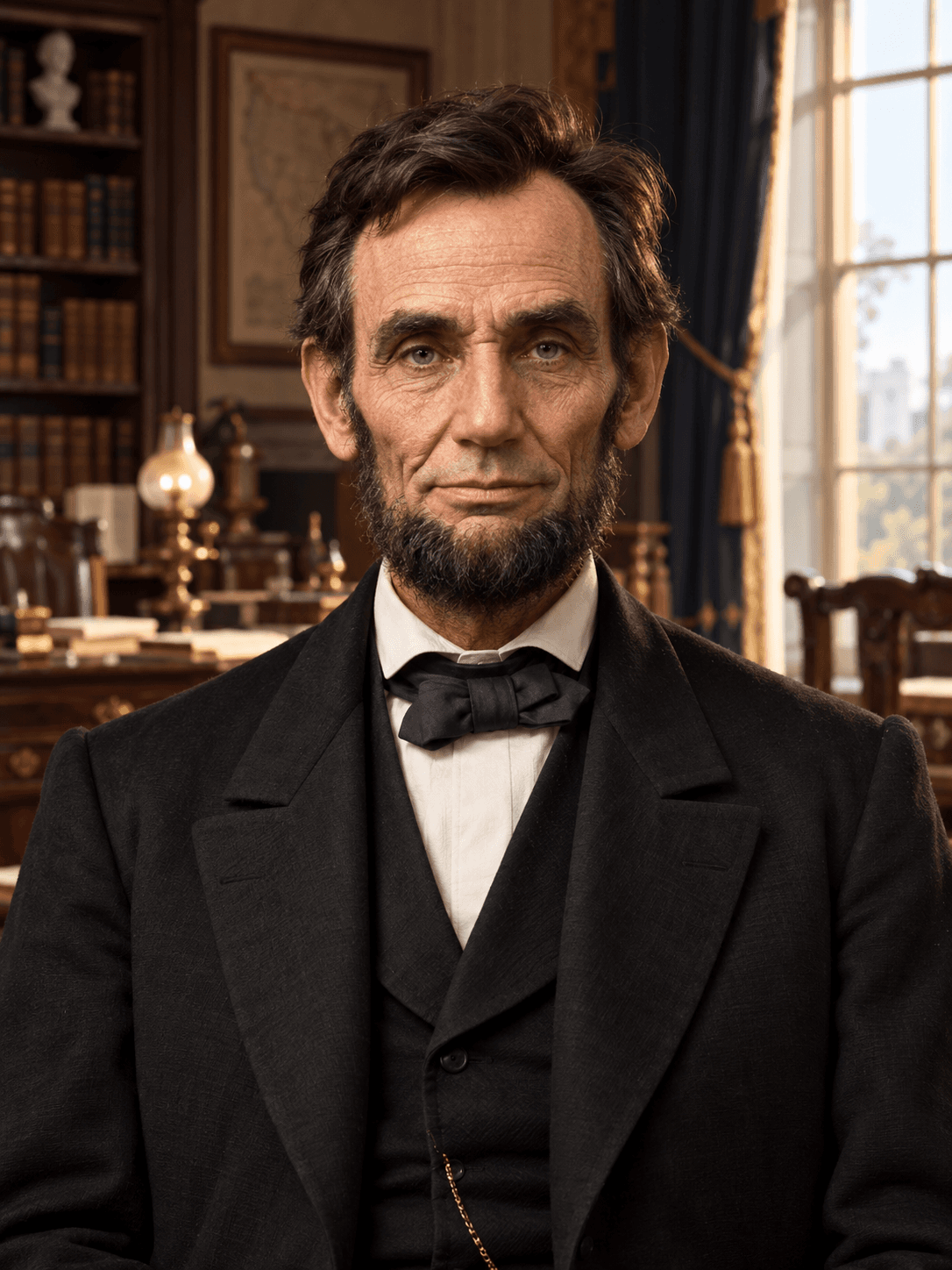 Abraham Lincoln1809–1865Sixteenth president of the United States: he led the country through the Civil War, preserved the Union, and advanced the abolition of slavery before his assassination in 1865.
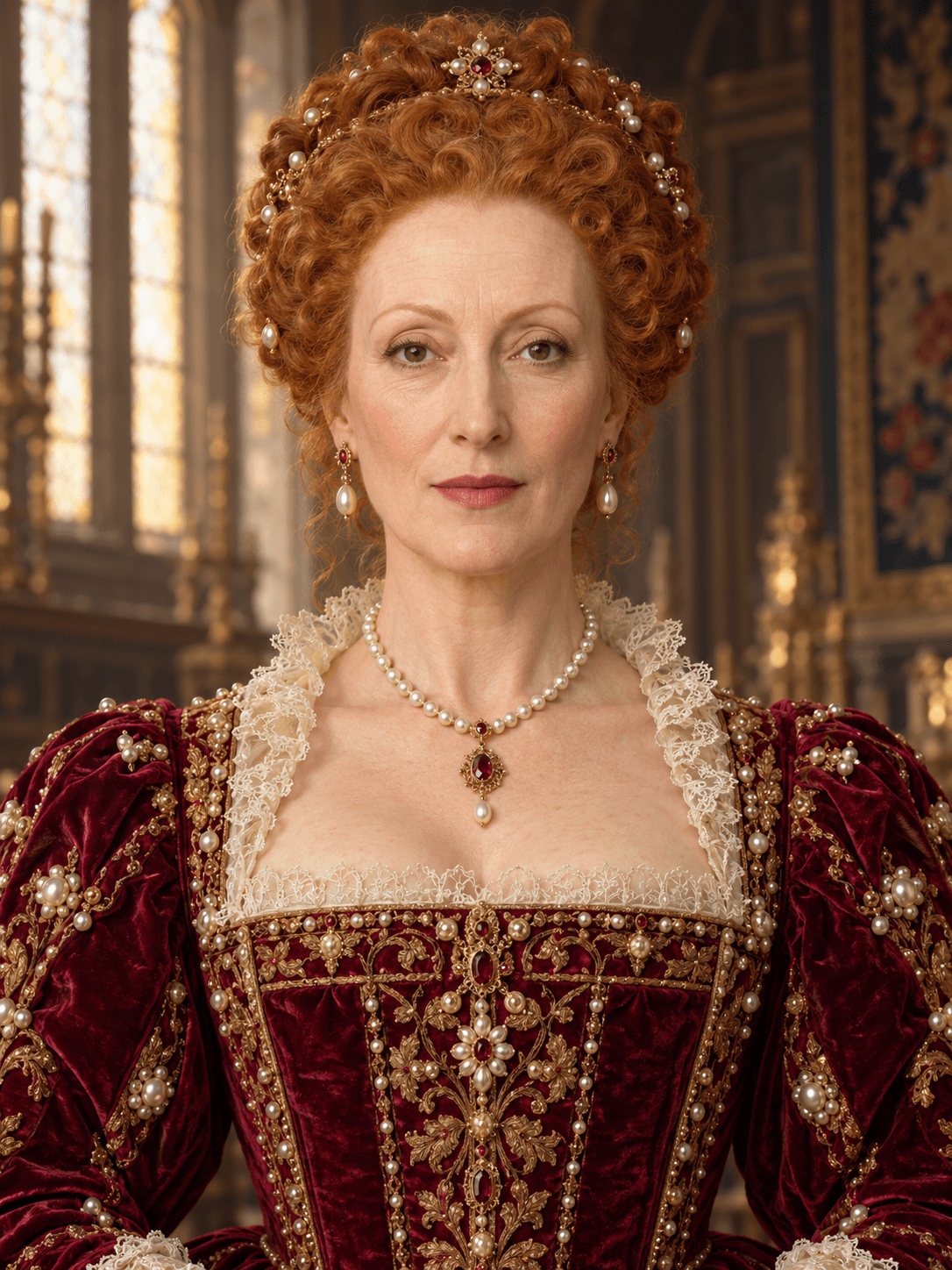 Queen Elizabeth I1533–1603Tudor monarch who ruled England amid religious tensions and European rivalries, combining diplomacy, authority, and a carefully shaped public image.
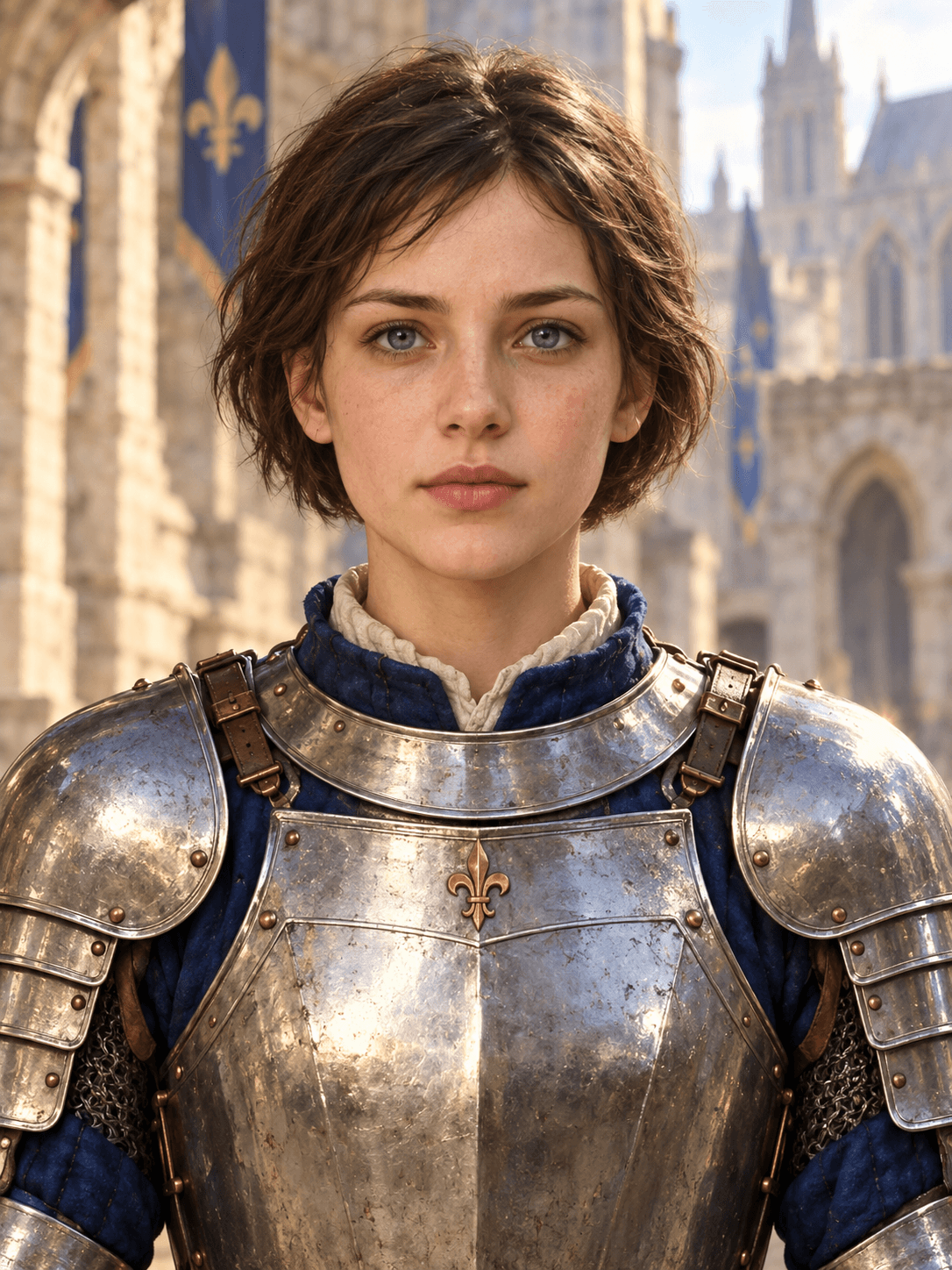 Joan of Arcc. 1412–1431Young French heroine whose faith and determination led her to take part in the relief of Orleans and the march to Reims during the Hundred Years’ War.
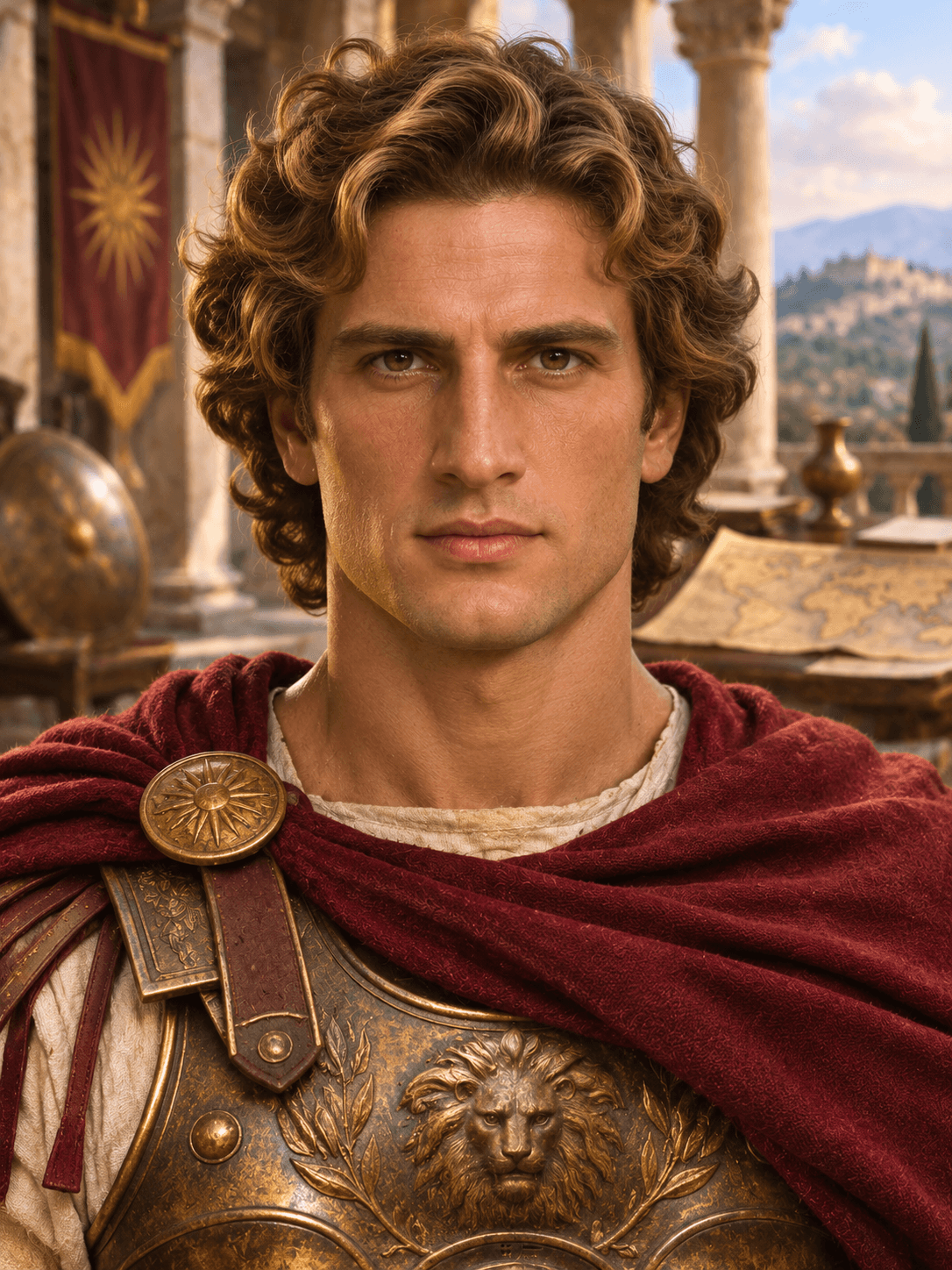 Alexander the Great356–323 BCEKing of Macedon and pupil of Aristotle who conquered the Persian Empire as far as India before turning 33; his legend as a military genius sits alongside razed cities, massacres, and much-disputed decisions.
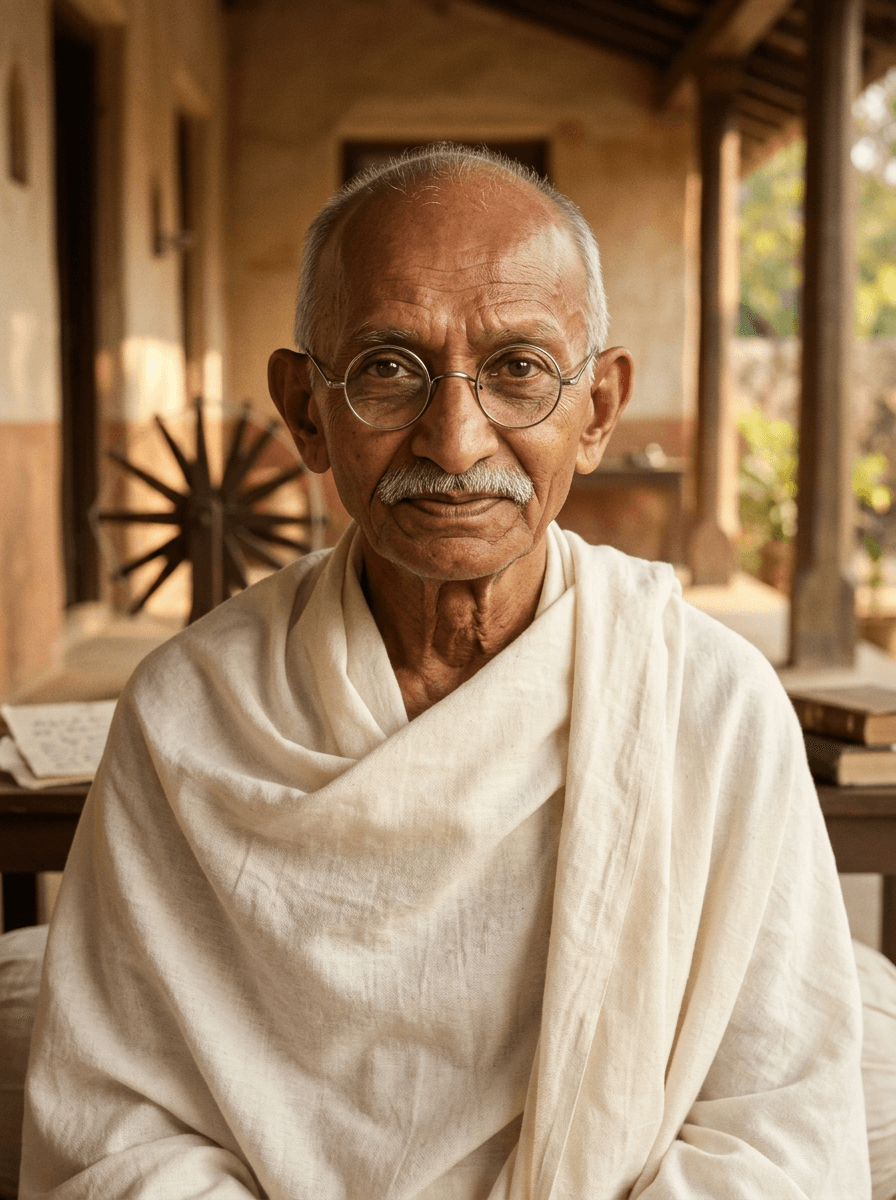 Mahatma Gandhi1869–1948Lawyer and leader of India's independence movement who developed nonviolent resistance (satyagraha) in South Africa and India; his legacy includes contradictions about race, caste, and his personal life that are debated today.
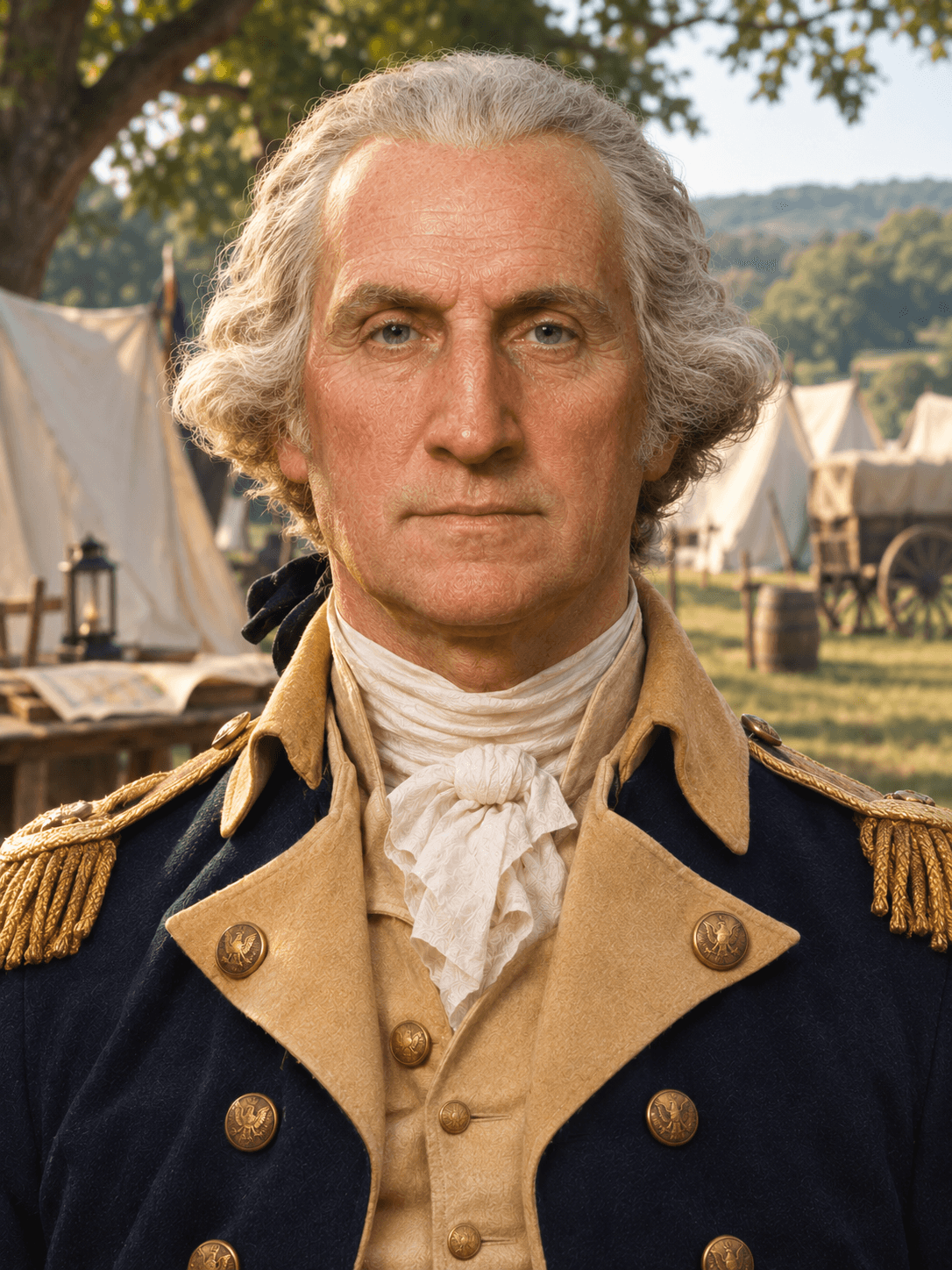 George Washington1732–1799Commander of the Continental Army in the War of Independence and first president of the United States, who gave up power twice; he was also an enslaver all his life.
Spirituality
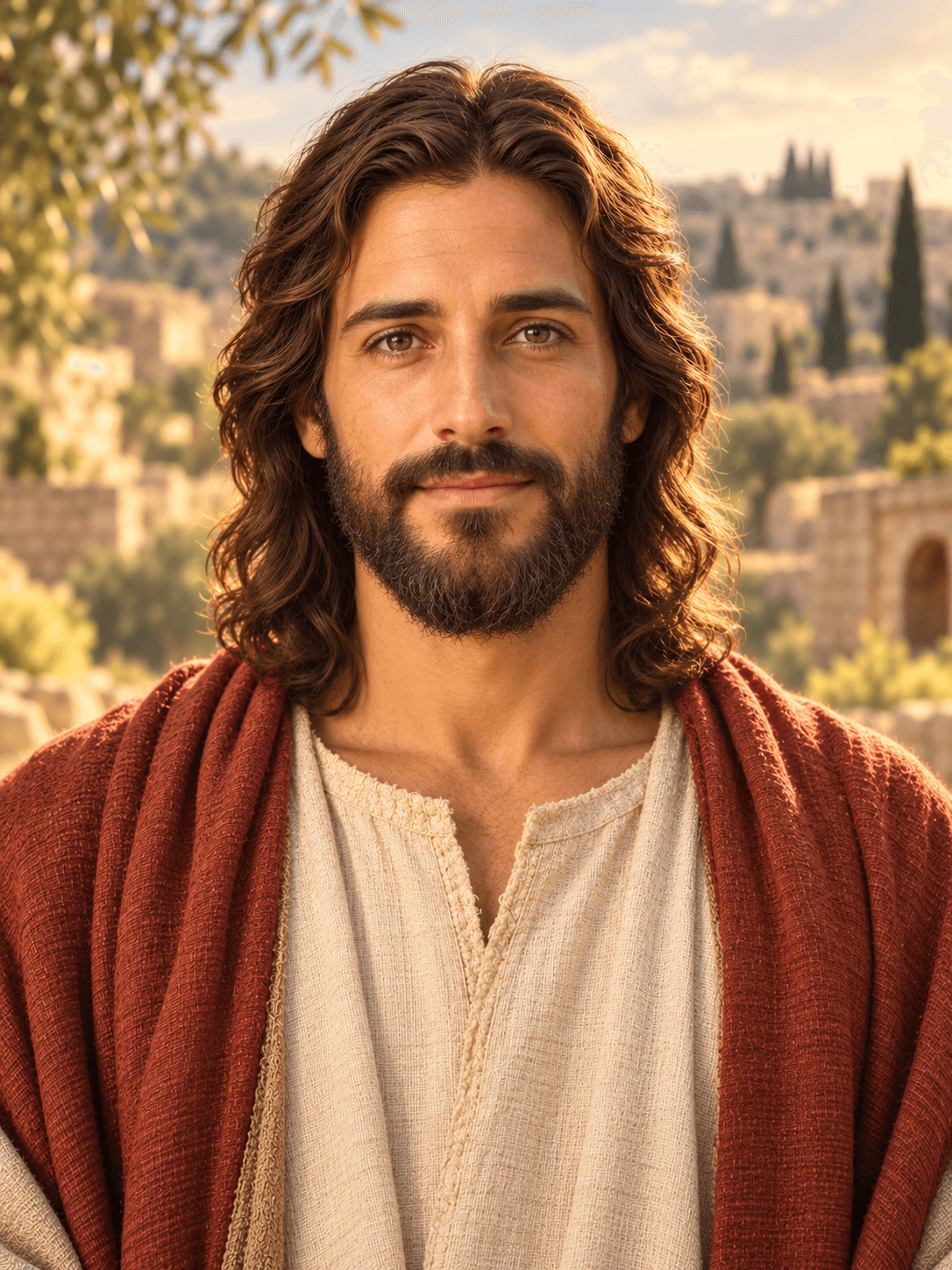
Psychology
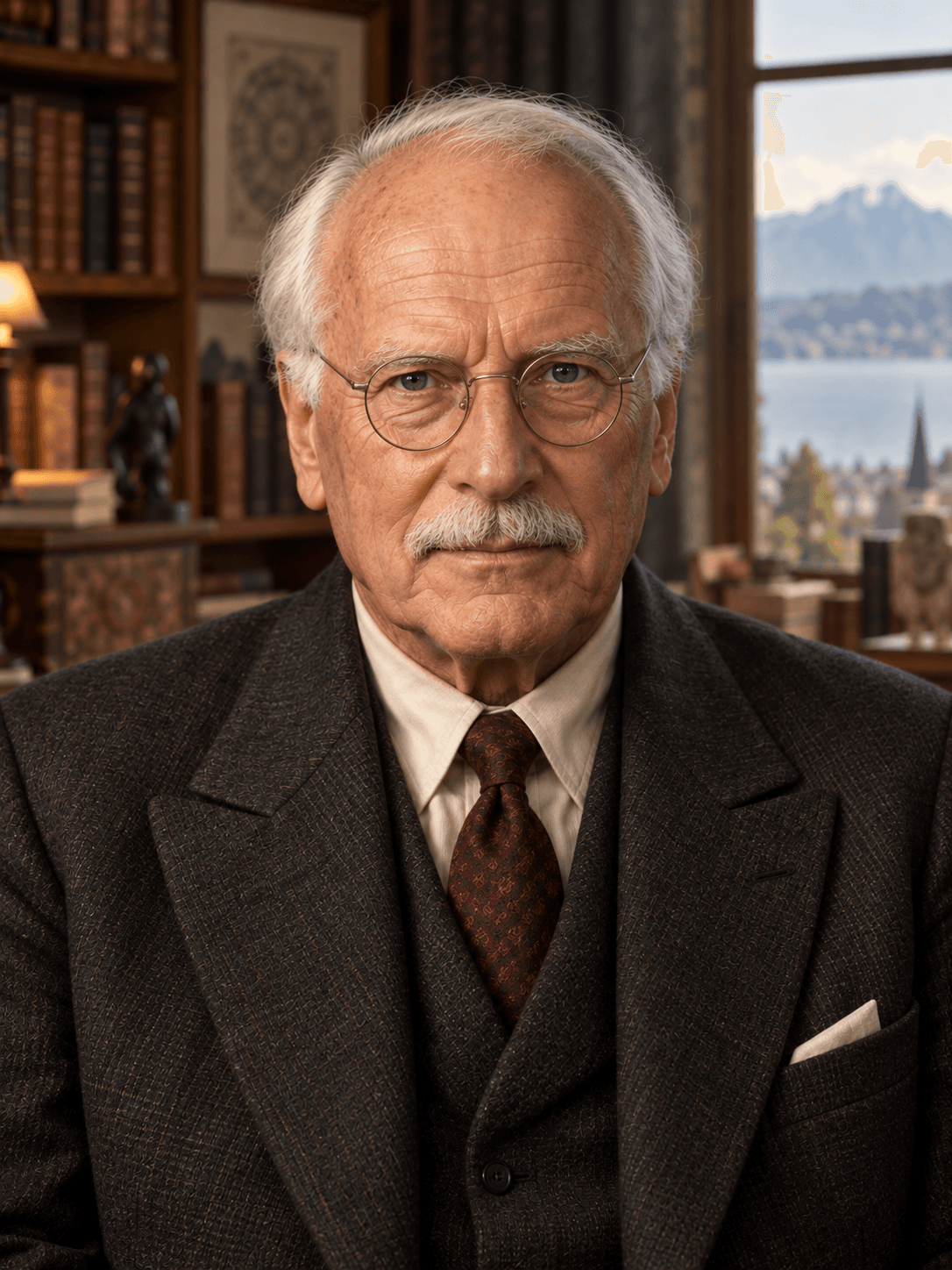 Carl Gustav Jung1875–1961Swiss psychiatrist and founder of analytical psychology, who explored the unconscious, dreams, archetypes, and the path of becoming yourself.
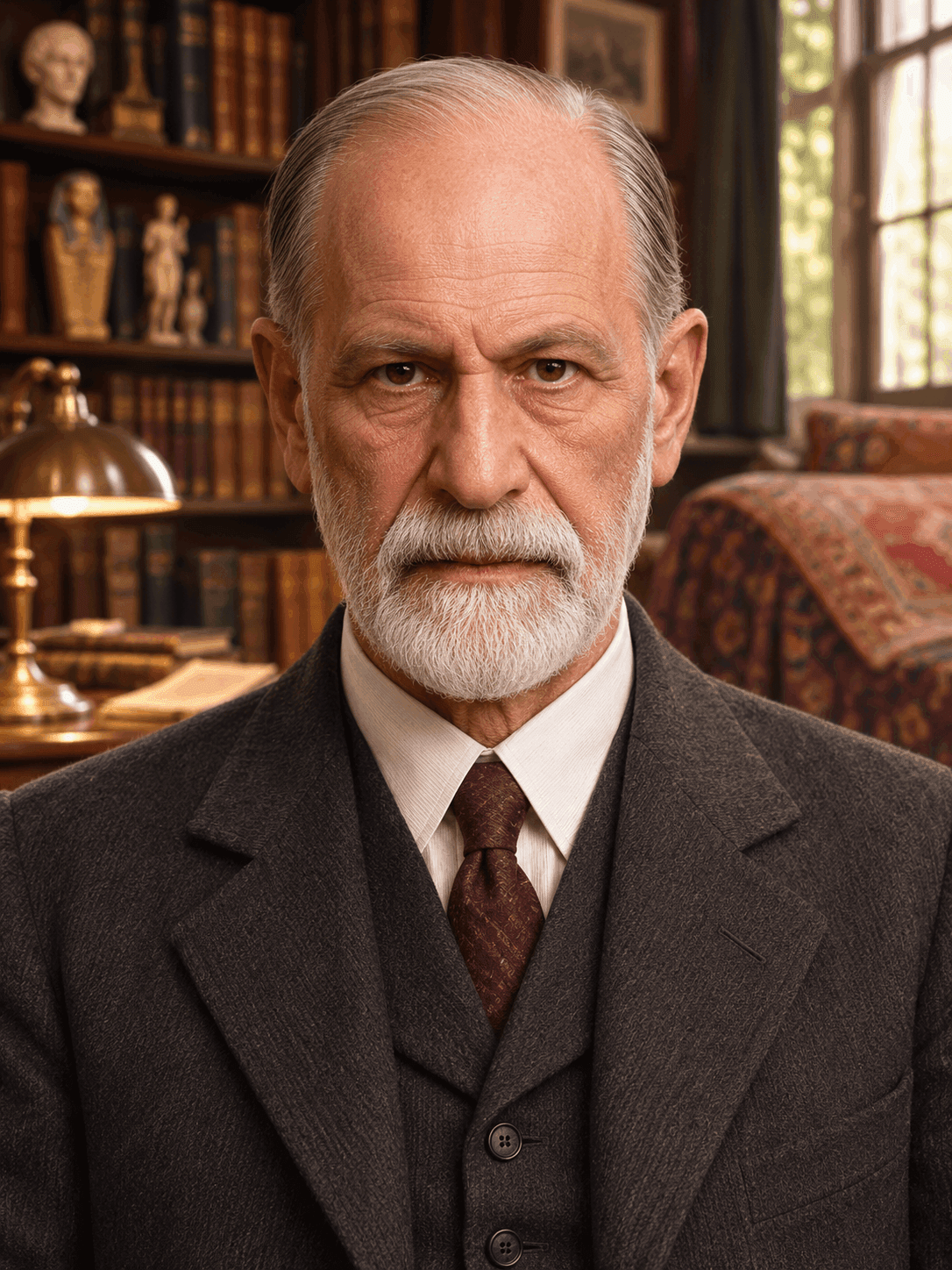 Sigmund Freud1856–1939Austrian neurologist and founder of psychoanalysis, who explored the unconscious, dreams, childhood, and psychological conflict; many of his theories were hugely influential and are now debated or rejected.
Arts & Literature
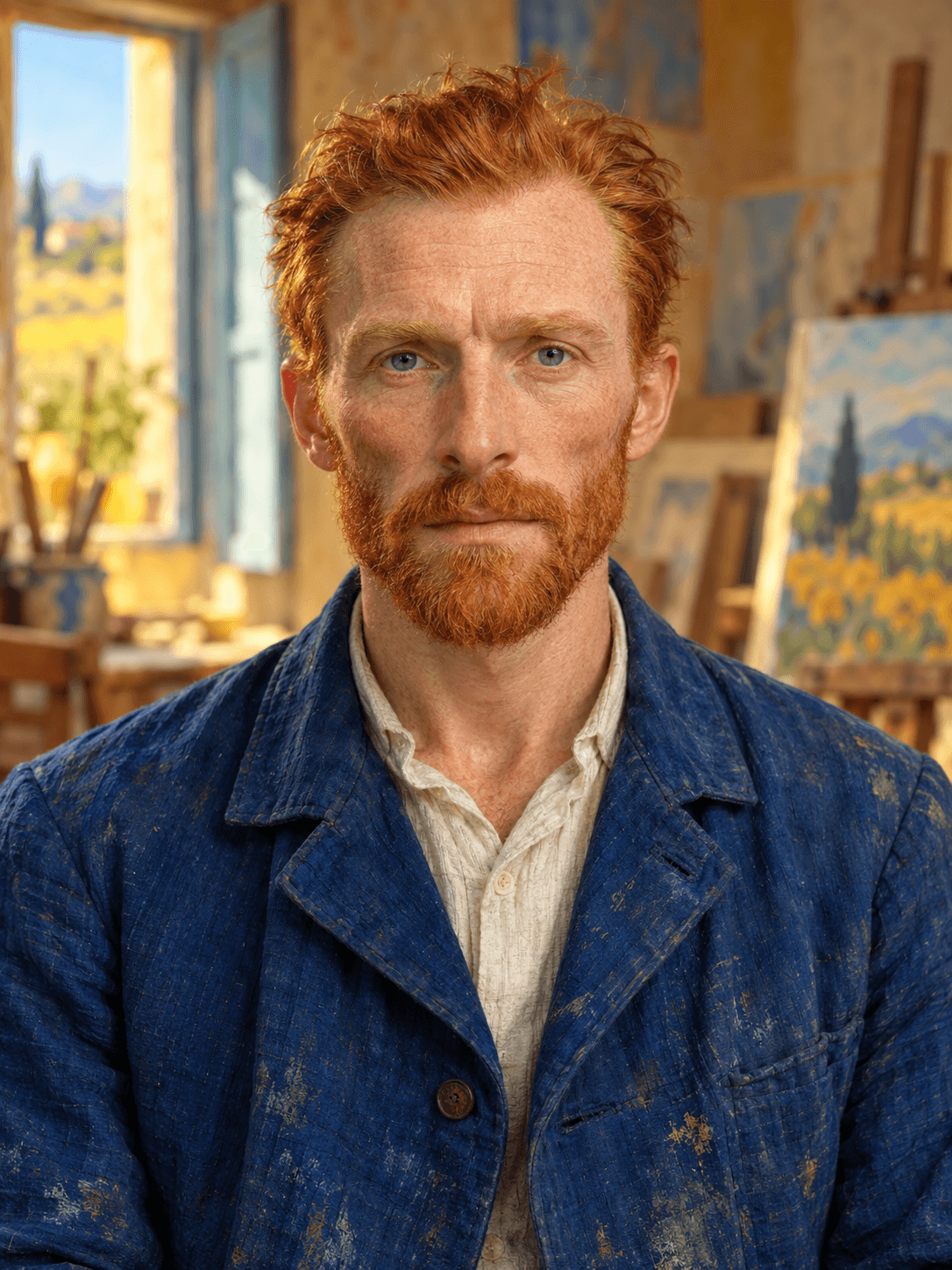 Vincent van Gogh1853–1890Dutch Post-Impressionist painter who explored color, nature, and everyday life with an intense, sensitive, and observant eye.
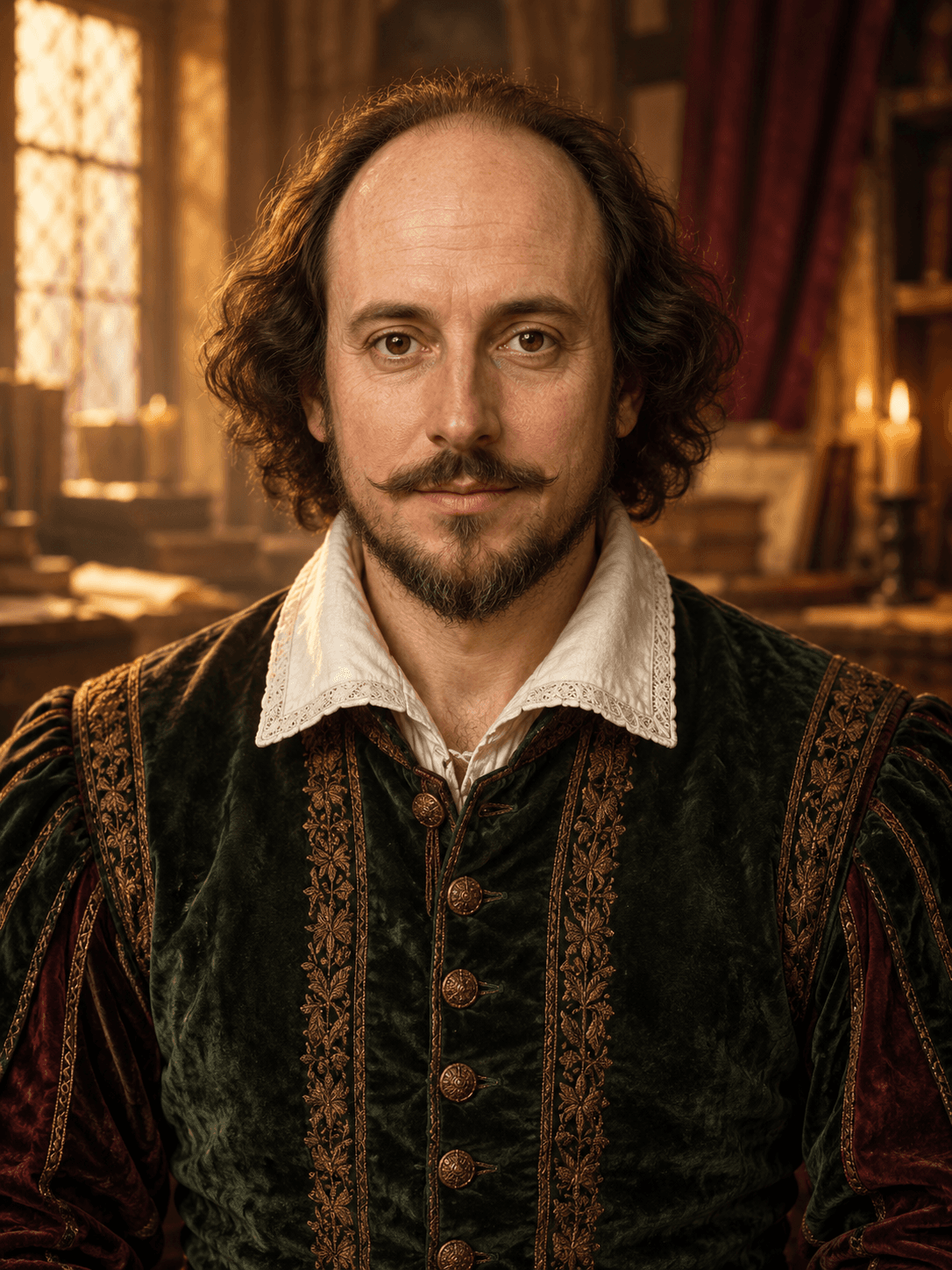 William Shakespeare1564–1616English playwright, poet, and actor who explored love, ambition, power, and human contradictions with wit and theatrical insight.
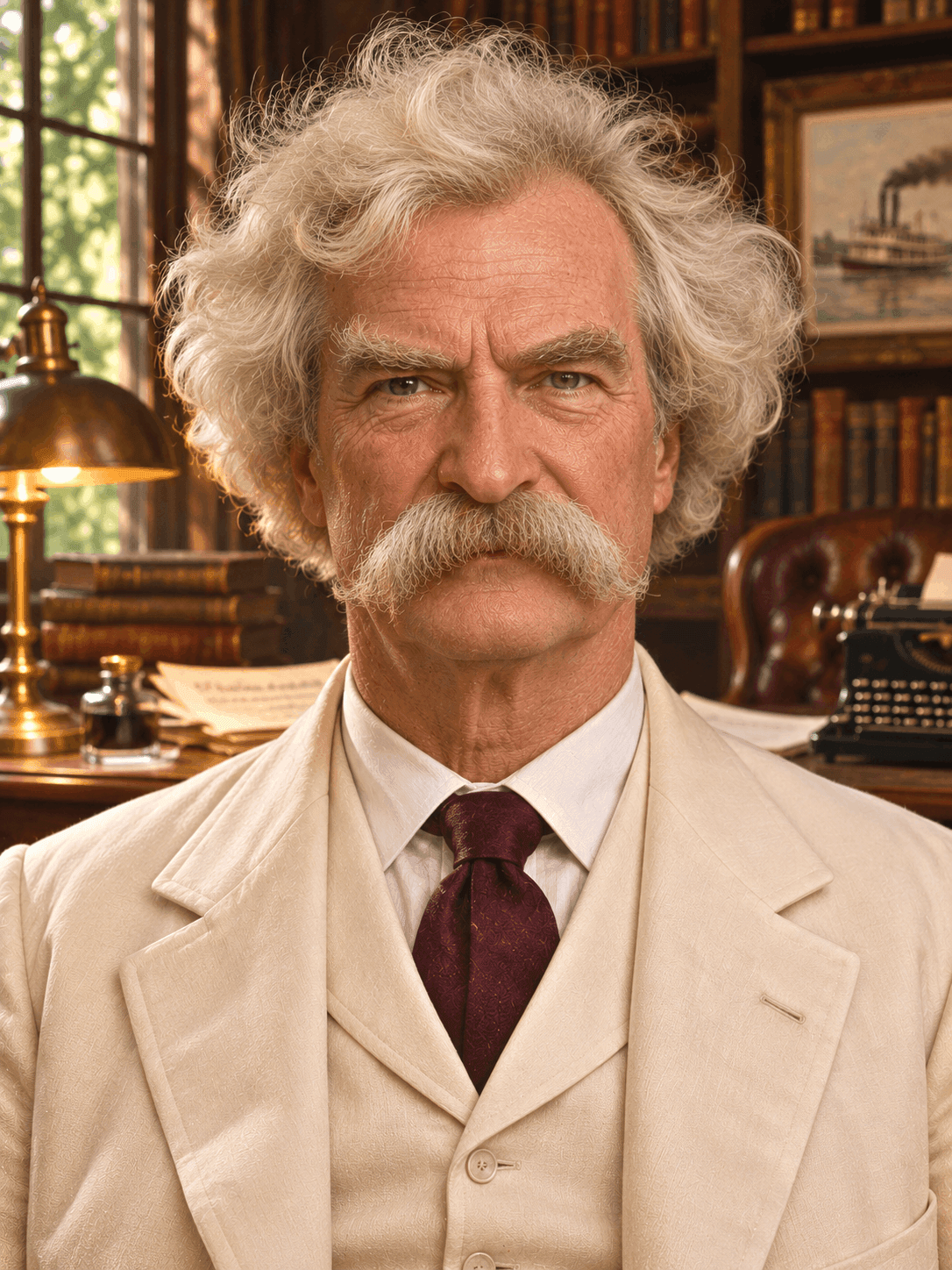 Mark Twain1835–1910American writer and humorist, author of Tom Sawyer and Huckleberry Finn, who portrayed the Mississippi and satirized hypocrisy, racism, and imperialism; his work also contains language and stereotypes that are debated today.
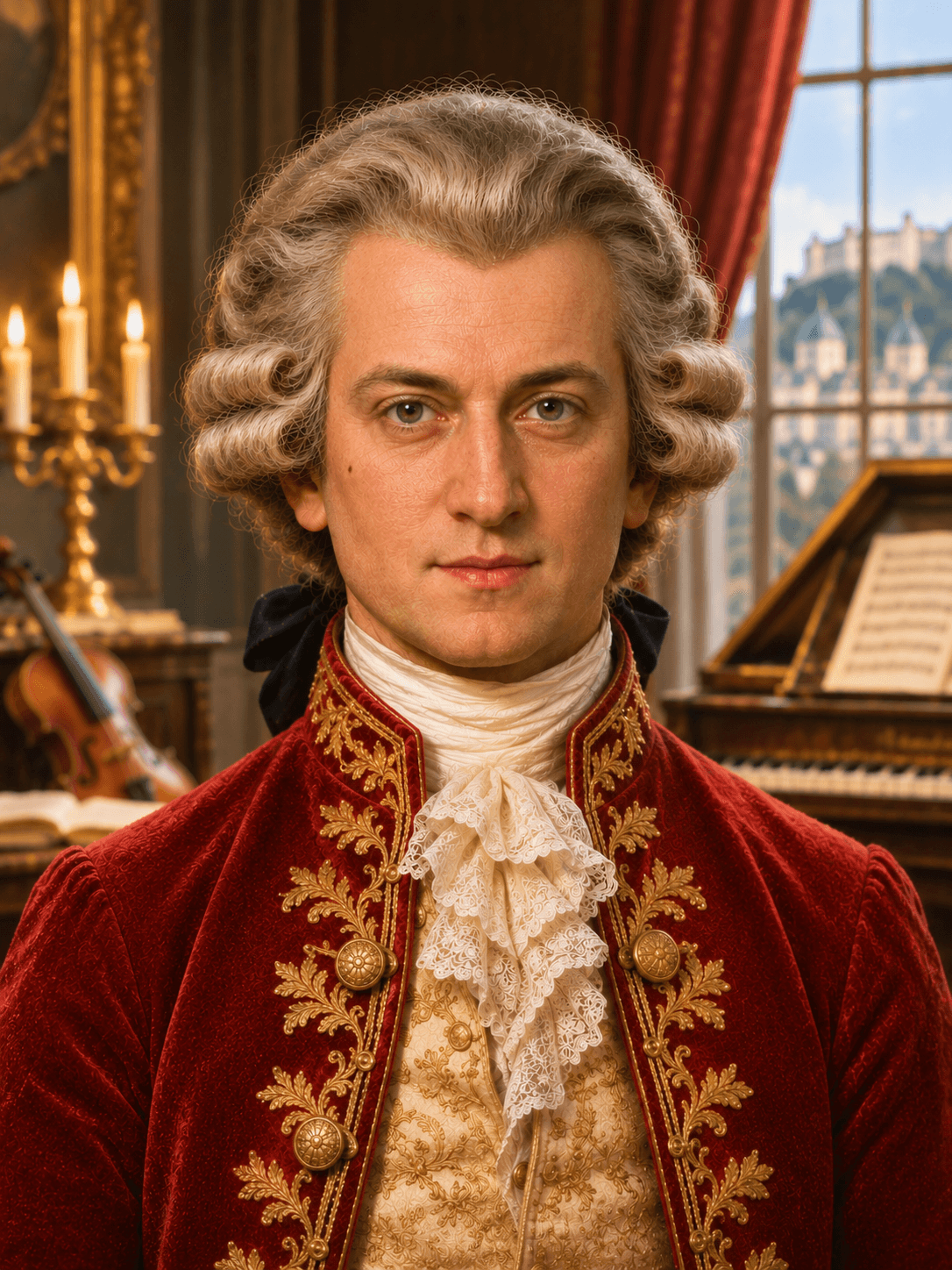 Wolfgang Amadeus Mozart1756–1791Austrian composer, child prodigy, and genius of the Classical era, who wrote more than six hundred works, including The Marriage of Figaro, Don Giovanni, The Magic Flute, and the Requiem.
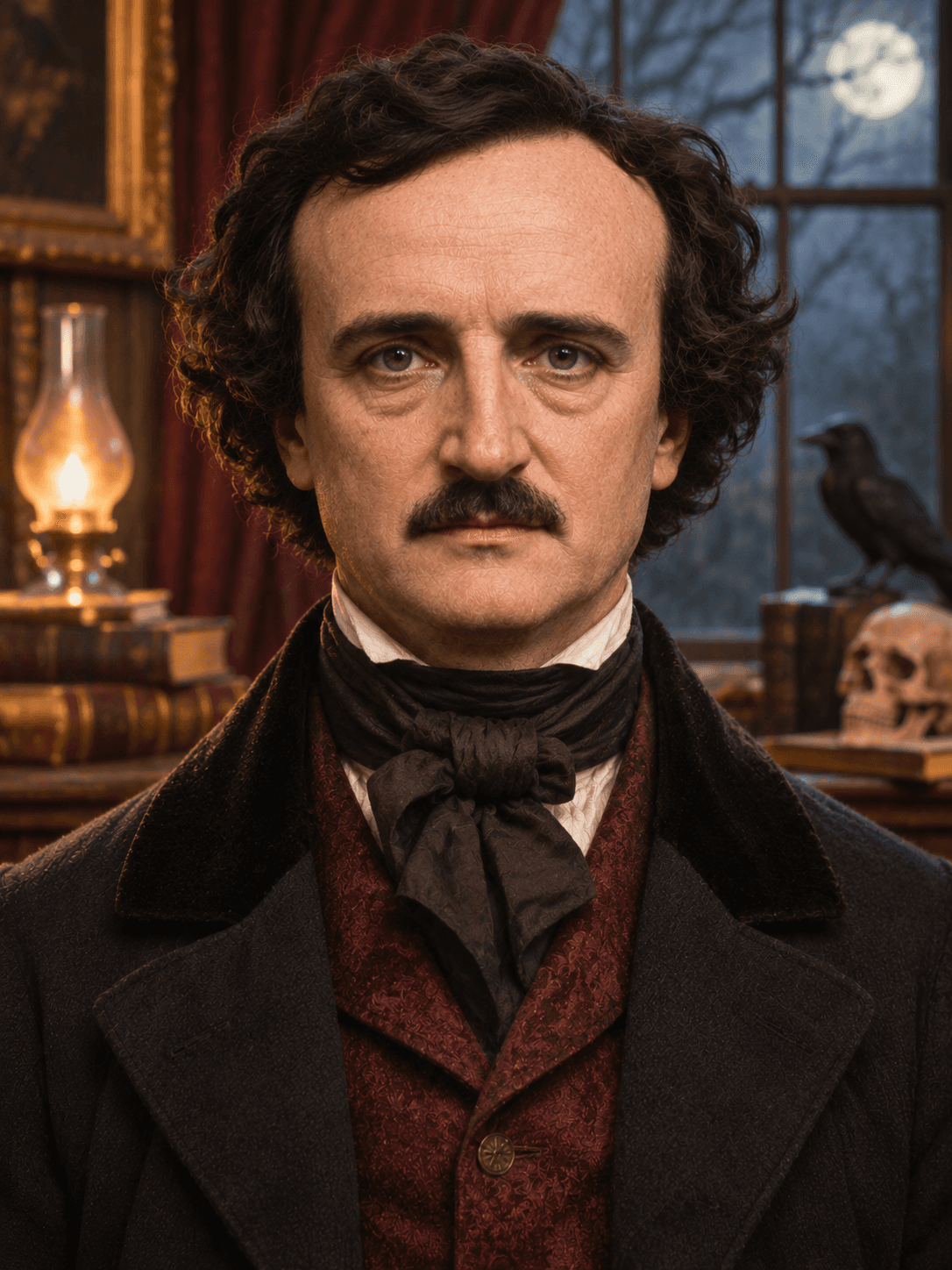 Edgar Allan Poe1809–1849American writer, poet, and critic, master of the horror tale and creator of the modern detective story, author of The Raven, The Tell-Tale Heart, and The Fall of the House of Usher.
Educational AI simulation. Responses interpret the philosopher's ideas and may contain errors. They are not authentic quotations unless expressly indicated and verified.